Gamification in Marketing: How Casinos Use Game Mechanics to Retain Players

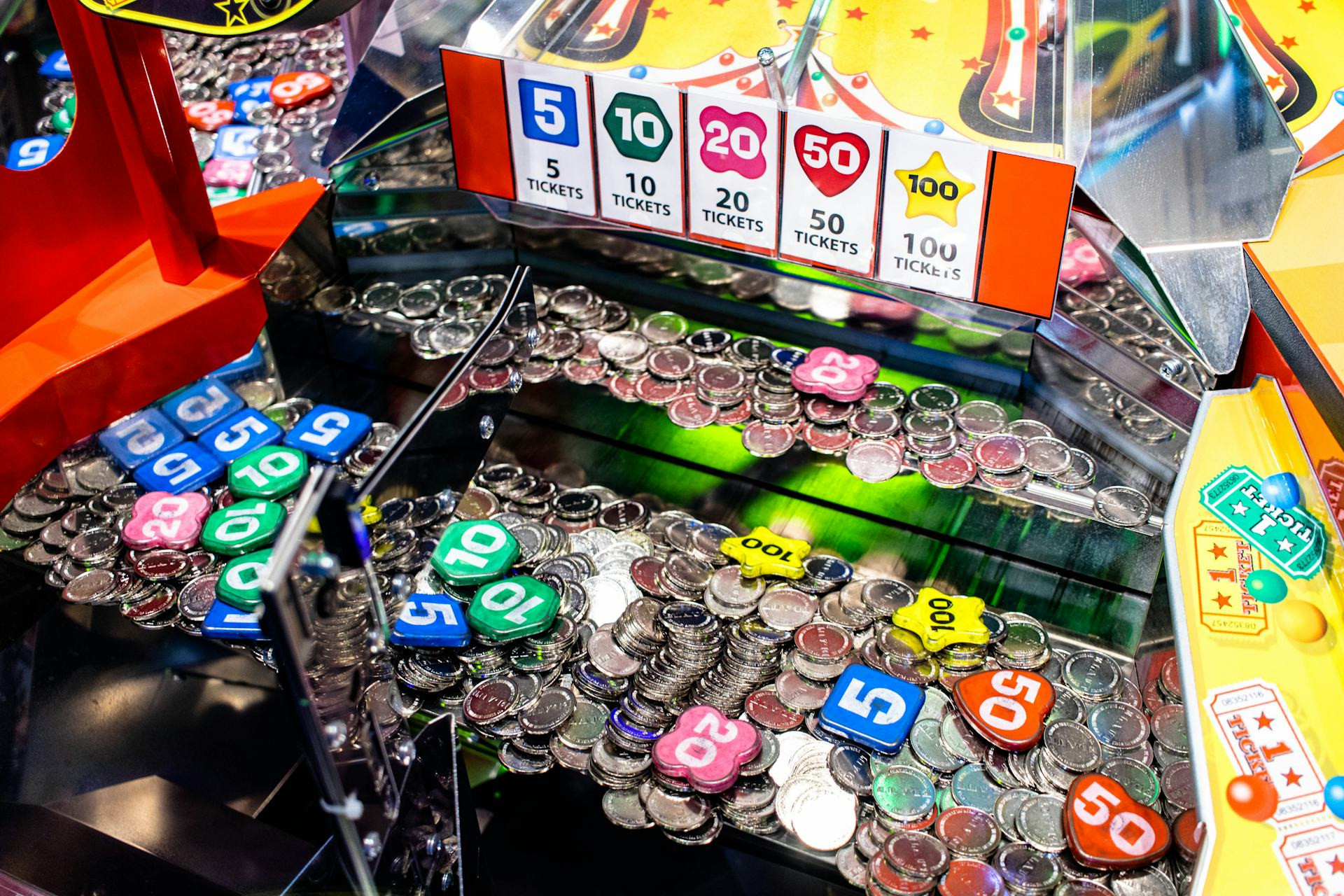
Gamification in Marketing: How Casinos Use Game Mechanics to Retain Players
In recent years, gamification has become a buzzword across industries—from fitness apps to e-learning platforms. But few sectors have embraced it as effectively as the casino industry. Here, game mechanics like points, levels, and rewards are not just for entertainment; they’re strategic tools designed to keep players engaged and coming back for more.
How does it work—and why is it so effective?
What Is Gamification?
Gamification means applying elements of game design in non-game contexts. It can be as simple as earning points for completing a task or unlocking badges for reaching milestones. In marketing, gamification makes user experiences more interactive and motivating. When people feel a sense of progress, competition, or reward, they’re more likely to stay engaged—and that’s exactly what casinos capitalize on.
How Casinos Use Game Mechanics
Casinos have always been about games, but today, the experience extends far beyond the slot machine or poker table. Online platforms, in particular, have layered gamified systems on top of traditional gameplay to enhance engagement.
- Loyalty Programs: Players earn points for every wager, which can be redeemed for bonuses, free spins, or access to VIP tiers.
- Missions and Challenges: Instead of simply playing, users are given specific goals—like “play 20 hands of blackjack”—and receive rewards for completing them.
- Progression Systems: Visual indicators, such as progress bars or level meters, create a sense of advancement and momentum.
- Tournaments and Leaderboards: Competitive elements encourage social interaction and motivate players to outperform others.
These mechanics are not random. They’re built on psychological principles that tap into our natural desire for achievement, recognition, and improvement.
The Psychology Behind Retention
Gamification works because it appeals to fundamental human needs: mastery, status, and belonging. When players receive feedback in the form of points, badges, or levels, their brains release dopamine—the same chemical that reinforces habits on social media.
Casinos also rely on variable rewards, where bonuses and wins occur unpredictably. This uncertainty keeps players engaged, as the next spin or hand might be the one that pays off. Combined with visible progress and social comparison, these elements create a powerful loop of motivation and anticipation.
Even when players aren’t winning money, the sense of progress and achievement can keep them playing.
Ethical Considerations
While gamification can make casino experiences more entertaining, it also raises ethical questions. When mechanics are designed to maximize engagement, the line between fun and compulsion can blur.
Responsible gaming advocates argue that casinos should use these tools transparently and ethically. That means offering self-control features, clear information about spending, and options to set time or deposit limits. Gamification itself isn’t inherently harmful—but in an environment where money is at stake, it requires careful oversight.
Emerging Trends
Gamification in the casino industry continues to evolve. New technologies like virtual reality (VR) and artificial intelligence (AI) are enabling more personalized and immersive experiences. Some platforms now tailor missions and rewards based on individual player behavior, while others create virtual worlds where users can explore and unlock new areas.
Interestingly, a growing number of casinos are using gamification to promote responsible gaming. Players can earn rewards for taking breaks, setting limits, or engaging with educational content about healthy play habits. This shift shows that gamification can be used not only to retain players but also to protect them.
Læs også:




Balancing Engagement and Responsibility
Gamification has transformed how casinos market themselves. It’s no longer just about games and jackpots—it’s about experiences, progress, and community. But with great engagement power comes great responsibility. The most sustainable future for the industry lies in using game mechanics to create enjoyment, not addiction.
When engagement and responsibility go hand in hand, gamification becomes more than a marketing tactic—it becomes a tool that benefits both players and the business.
Læs også: