Position at the Table: Your Secret Weapon in Poker Strategy

Position at the Table: Your Secret Weapon in Poker Strategy
In poker, it’s not just about the cards you’re dealt—it’s about where you’re sitting when you play them. Your position relative to the dealer determines the order in which you act, and that order can make or break your game. For beginners, position is often overlooked, but for experienced players, it’s one of the most powerful tools in their arsenal. Here’s why position matters so much and how you can use it to your advantage.
What Does “Position” Mean in Poker?
In Texas Hold’em and most other poker variants, the action moves clockwise around the table. Each player’s seat is defined by its relationship to the dealer button, which rotates after every hand. Your position determines when you act in each betting round.
- Early Position (EP): The first players to act after the blinds. You have the least information about what others will do.
- Middle Position (MP): You act somewhere in the middle, with a bit more information but still some uncertainty.
- Late Position (LP): The last players to act—usually the “cutoff” and the “button.” You have the most information because you’ve seen how everyone else has acted before you.
The later your position, the more control and flexibility you have. That’s why poker players often say, “Position is power.”
Why Position Gives You an Edge
Sitting in late position allows you to observe your opponents before making your move. You can see who’s playing aggressively, who’s checking, and who seems hesitant. That information is gold.
- You can bluff more effectively because you know whether your opponents have shown weakness.
- You can control the pot size, deciding whether to build it up or keep it small.
- You can save money, avoiding risky bets when you lack information.
In early position, the opposite is true. You must act first, without knowing what others will do. That’s why you should play tighter and stick to strong hands when you’re among the first to act.
Adjusting Your Strategy by Position
A good poker player adapts their style based on where they sit. Here are some general guidelines:
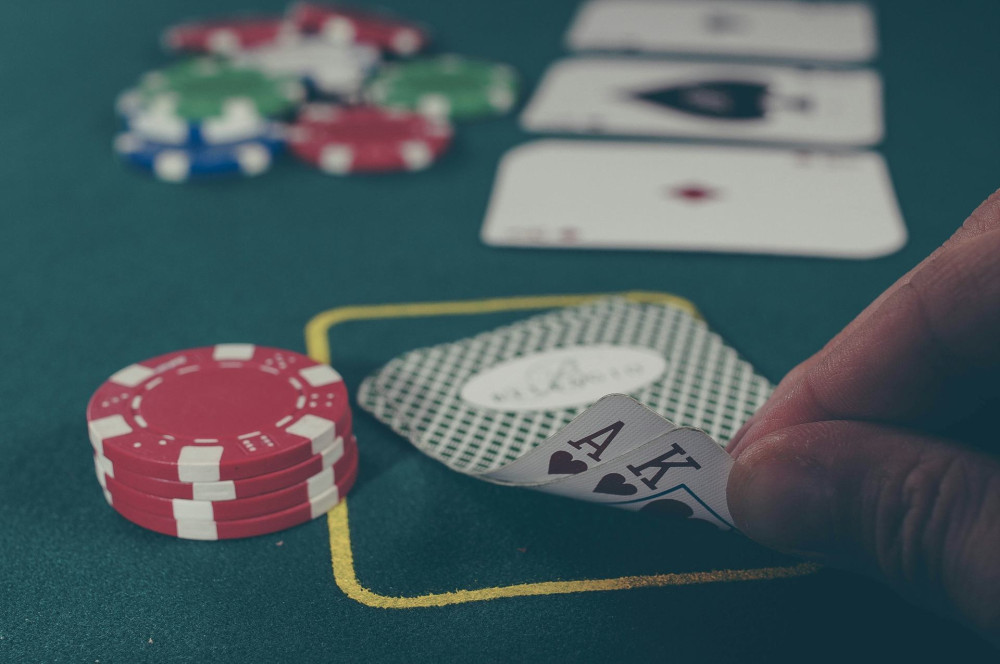
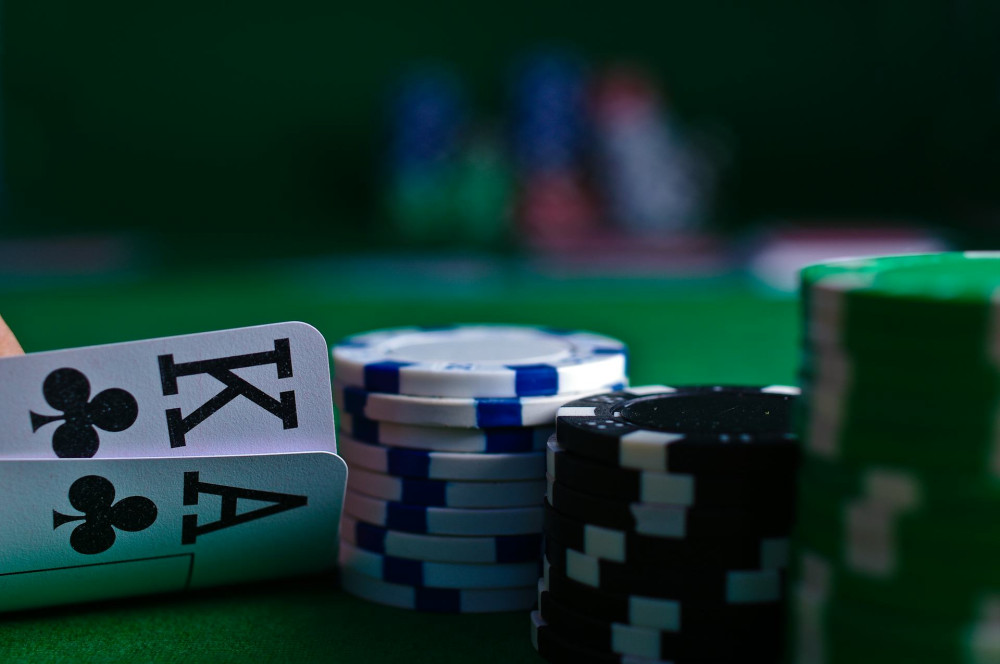
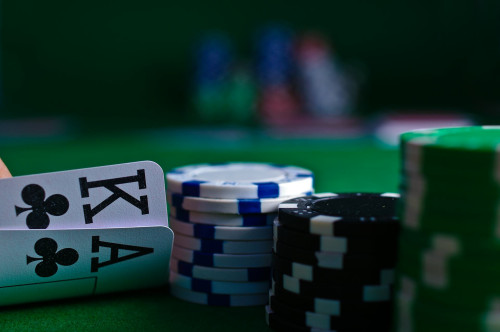
- Early Position: Play tight. Focus on premium hands like Aces, Kings, Queens, and Ace-King. Avoid marginal hands since you’ll often have to act first in later rounds.
- Middle Position: You can loosen up slightly. Hands like medium pairs or suited connectors (e.g., 9♠10♠) can be playable, especially if the table is passive.
- Late Position: This is where you can really take advantage. You can steal blinds, bluff more often, and play a wider range of hands because you have the most information.
Mastering position isn’t just about memorizing theory—it’s about reading the table and adjusting your decisions in real time.
Position and Post-Flop Play
Position doesn’t stop mattering once the flop hits—it becomes even more important. When you’re in late position, you can react to your opponents’ actions and use their behavior as a guide.
If a player in early position checks, you can take the initiative with a bet—even if you didn’t hit the flop. That’s called a continuation bet (c-bet), and it’s one of the most effective tools when you’re in position.
Conversely, when you’re in early position, you often have to play more defensively because you don’t know what’s coming after you. It takes discipline to fold hands that look good but are vulnerable when you’re out of position.
Position in Tournaments vs. Cash Games
In tournaments, position takes on a slightly different role because blinds increase and stack sizes vary. You can use your position to pressure short stacks, especially from late position, where you can force them into tough decisions.
In cash games, where blinds stay constant, position is about long-term profit. Over time, players who consistently use position to their advantage will win more chips than those who ignore it.
How to Train Your Positional Awareness
Getting good at using position takes practice. Here are a few ways to sharpen your skills:
- Review your hands after each session: Where were you sitting, and how did that affect the outcome?
- Watch professional games and notice how pros exploit position.
- Play consciously: Spend a few sessions focusing solely on position, even if it means sacrificing other aspects of your game. It will deepen your understanding.
Over time, you’ll realize you’re not just playing your cards—you’re playing the table.
Læs også:
Position: The Invisible Weapon
Many players focus on bluffing, math, and psychology when they talk about poker strategy. But position is the quiet, invisible weapon that ties everything together. It lets you make better decisions, take more control, and minimize risk.
Once you start thinking in terms of position, you’ll find that even mediocre hands can become winners—if they’re played from the right seat. And that’s where the line between luck and strategy truly begins to show.
Læs også: