Entertainment or Warning Sign? Learn to Tell the Difference Between Healthy Gaming and Problematic Gaming Behavior

Entertainment or Warning Sign? Learn to Tell the Difference Between Healthy Gaming and Problematic Gaming Behavior
For most people, gaming is a fun and engaging form of entertainment — a way to relax, challenge yourself, and connect with others. But for some, what starts as a harmless hobby can slowly turn into a source of stress, financial trouble, and loss of control. How can you tell the difference between healthy gaming and problematic gaming behavior? Here’s how to recognize the signs and keep your gaming habits balanced.
When Gaming Is Healthy — and Fun
Healthy gaming is all about balance. It’s when you play for enjoyment, and gaming doesn’t negatively affect your finances, mood, or relationships. Signs of a healthy relationship with gaming include:
- You play for fun — not to escape problems or chase winnings you need.
- You set limits — on both time and money, and you stick to them.
- You can take breaks — without feeling anxious or restless.
- You see gaming as one of many hobbies — not your main source of fulfillment.
For many Americans, gaming is a social activity — a way to unwind with friends, explore new worlds, or enjoy a bit of excitement. It only becomes problematic when it starts to take up too much space in your life — mentally, financially, or emotionally.
Early Warning Signs
Problematic gaming rarely happens overnight. It often develops gradually, and many people don’t notice until it’s already affecting their daily life. Here are some common warning signs to watch for:
- You play to escape stress, sadness, or boredom.
- You spend more time or money on gaming than you planned.
- You try to “win back” losses or make up for time spent.
- You hide how much you play from family or friends.
- You feel irritable, restless, or anxious when you can’t play.
If several of these sound familiar, it may be time to take a closer look at your gaming habits. It doesn’t necessarily mean you’re addicted, but it’s a signal that your gaming might be getting out of balance.
Why Gaming Can Become Problematic
Games are designed to be engaging. The colors, sounds, and reward systems are carefully crafted to keep players excited and coming back for more. When you win — even a small victory — your brain releases dopamine, a chemical that makes you feel good. That “almost won” feeling can make it hard to stop.
For some, gaming becomes a way to cope with stress, loneliness, or financial worries. But instead of solving those problems, excessive gaming can make them worse. That’s why it’s important to be aware of why you play — and whether gaming still feels like a positive part of your life.
How to Stay in Control
There are simple ways to make sure gaming remains a healthy and enjoyable activity:
- Set a budget — decide in advance how much you’ll spend, and stop when you reach that limit.
- Plan your time — schedule gaming sessions and avoid playing when you’re tired or upset.
- Take breaks — have regular gaming-free days or weekends.
- Use available tools — many gaming platforms and casinos offer self-exclusion, spending limits, and time reminders.
- Talk about it — share your experiences with friends or family. It helps keep things in perspective.
Responsible gaming isn’t about quitting altogether — it’s about making conscious choices and knowing your limits.
When You or Someone You Know Needs Help
If gaming has started to take control of your life, it’s important to reach out for support. In the United States, there are free and confidential resources that can help you regain balance. You can contact the National Problem Gambling Helpline at 1-800-GAMBLER (1-800-426-2537) for 24/7 assistance, or visit www.1800gamblerchat.org for live chat support. They offer guidance for both players and loved ones.
Asking for help isn’t a sign of weakness — it’s a step toward taking back control.
Læs også:

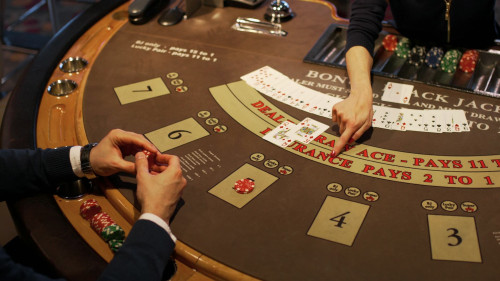


Gaming Should Be Entertainment — Not a Struggle
Gaming can be a fun and rewarding part of life when done in moderation. The key is knowing the difference between playing for enjoyment and playing to escape. By staying mindful of your habits and setting clear boundaries, you can make sure gaming remains what it’s meant to be: entertainment — not a warning sign.
Læs også: