Self-Discipline Through Gaming: What Responsible Play Can Teach Us About Self-Control

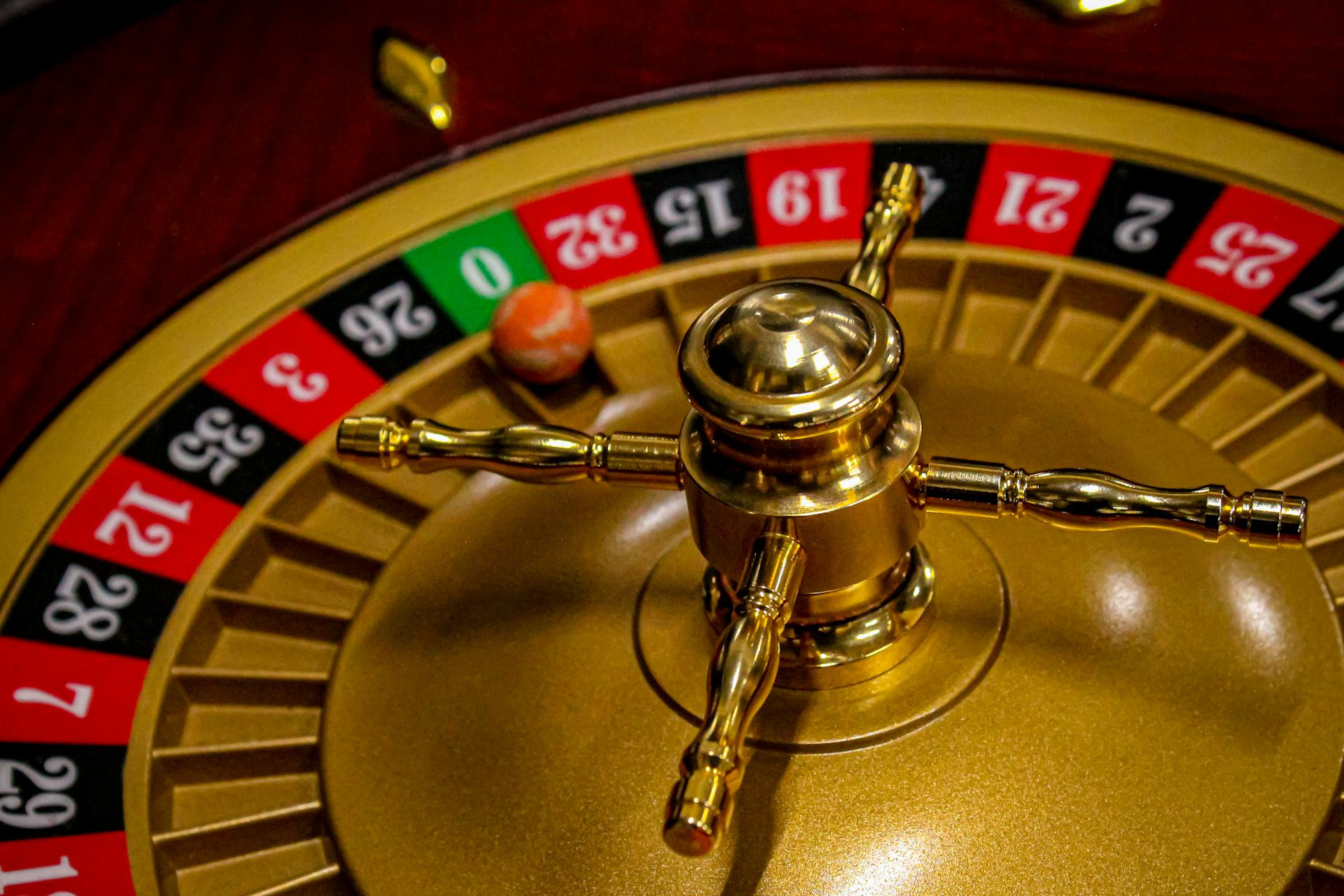
Self-Discipline Through Gaming: What Responsible Play Can Teach Us About Self-Control
For many Americans, gaming is a favorite pastime—whether it’s a few rounds of poker with friends, a night of online gaming, or a weekend trip to a casino. It’s about fun, excitement, and sometimes even community. But beyond the entertainment, gaming can also teach us something deeper: the art of self-control. Responsible play isn’t just about avoiding excess; it’s about understanding your limits, making conscious choices, and developing discipline that can benefit every part of your life.
Gaming as a Mirror of Behavior
When we play—whether it’s a video game, a board game, or a game of chance—our habits and reactions come to the surface. How do we handle losing? Can we walk away when we’re ahead? How do we respond when the stakes rise? Gaming acts as a small-scale version of life, where patience, impulse control, and decision-making are constantly tested.
Responsible gaming starts with self-awareness. It means recognizing when the game is fun and when it starts to take over. That awareness is the foundation of self-control—and it’s a skill that extends far beyond the gaming table, influencing how we manage money, time, and even relationships.
Læs også:

Limits as Tools, Not Restrictions
One of the key principles of responsible gaming is setting limits—on time, spending, and engagement. At first, limits might sound restrictive, but in reality, they’re empowering. When you decide in advance how long you’ll play or how much you’ll spend, you’re taking control away from impulse and giving it back to intention.
The same principle applies in everyday life. Sticking to a budget, maintaining a workout routine, or setting boundaries at work all require discipline. Gaming can serve as a training ground for these habits, helping you strengthen your ability to make and keep commitments—even when temptation strikes.
Managing Wins and Losses with Calm
Perhaps the hardest part of gaming is managing emotions. Losing can be frustrating, while winning can create a rush that tempts you to keep going. Responsible play means staying calm in both situations—accepting outcomes without letting them dictate your next move.
This emotional balance is at the heart of self-control. In daily life, we face countless moments where emotions can cloud judgment—whether it’s reacting to stress, spending impulsively, or chasing instant gratification. Learning to pause, breathe, and think clearly is a skill that responsible gaming can help cultivate.
From Game Strategy to Life Strategy
Many gamers develop strategies to improve their performance: analyzing patterns, learning from mistakes, and adjusting their approach. That same mindset can be applied to life. Reflecting on your actions, evaluating results, and making thoughtful adjustments are essential steps in personal growth.
Self-discipline isn’t about suppressing desire—it’s about directing it. When you learn to play responsibly, you’re also learning to take responsibility for your choices. That sense of accountability can lead to greater balance, confidence, and well-being in all areas of life.
Gaming as Part of a Balanced Lifestyle
For most people, gaming is a fun and social activity that adds enjoyment to life. The key is balance. When gaming is combined with other interests—exercise, hobbies, time with family and friends—it becomes part of a healthy, varied lifestyle.
Responsible gaming doesn’t mean avoiding games altogether; it means playing with awareness. It’s about knowing your limits, taking breaks, and remembering that gaming should be entertainment—not an escape or a quick path to profit.
Self-Discipline as a Common Thread
Whether you’re an avid gamer or someone who rarely plays, the principles behind responsible gaming can inspire greater self-awareness. Setting boundaries, making conscious choices, and managing emotions calmly are skills that enhance both your gaming experience and your quality of life.
Self-discipline isn’t something you either have or don’t have—it’s something you can build. And perhaps, when practiced mindfully, gaming can be one of the most enjoyable ways to strengthen it.
Læs også: