Physical vs. Digital Security: Two Sides of the Same Casino Experience

Physical vs. Digital Security: Two Sides of the Same Casino Experience
When you step into a casino—whether it’s a glittering resort on the Las Vegas Strip or a sleek online platform on your phone—security is at the heart of the experience. For players, it’s not just about excitement and entertainment; it’s about trust. As the line between physical and digital gaming continues to blur, casinos must protect both people and data. But how do these two forms of security differ—and where do they overlap?
Physical Security: Safety You Can See
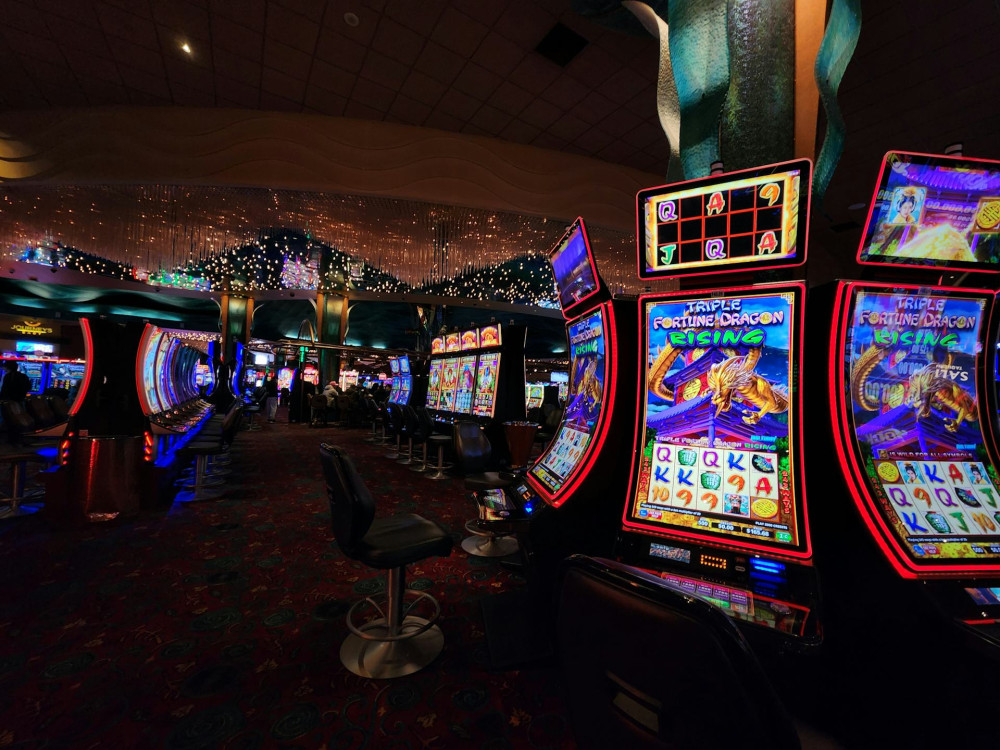
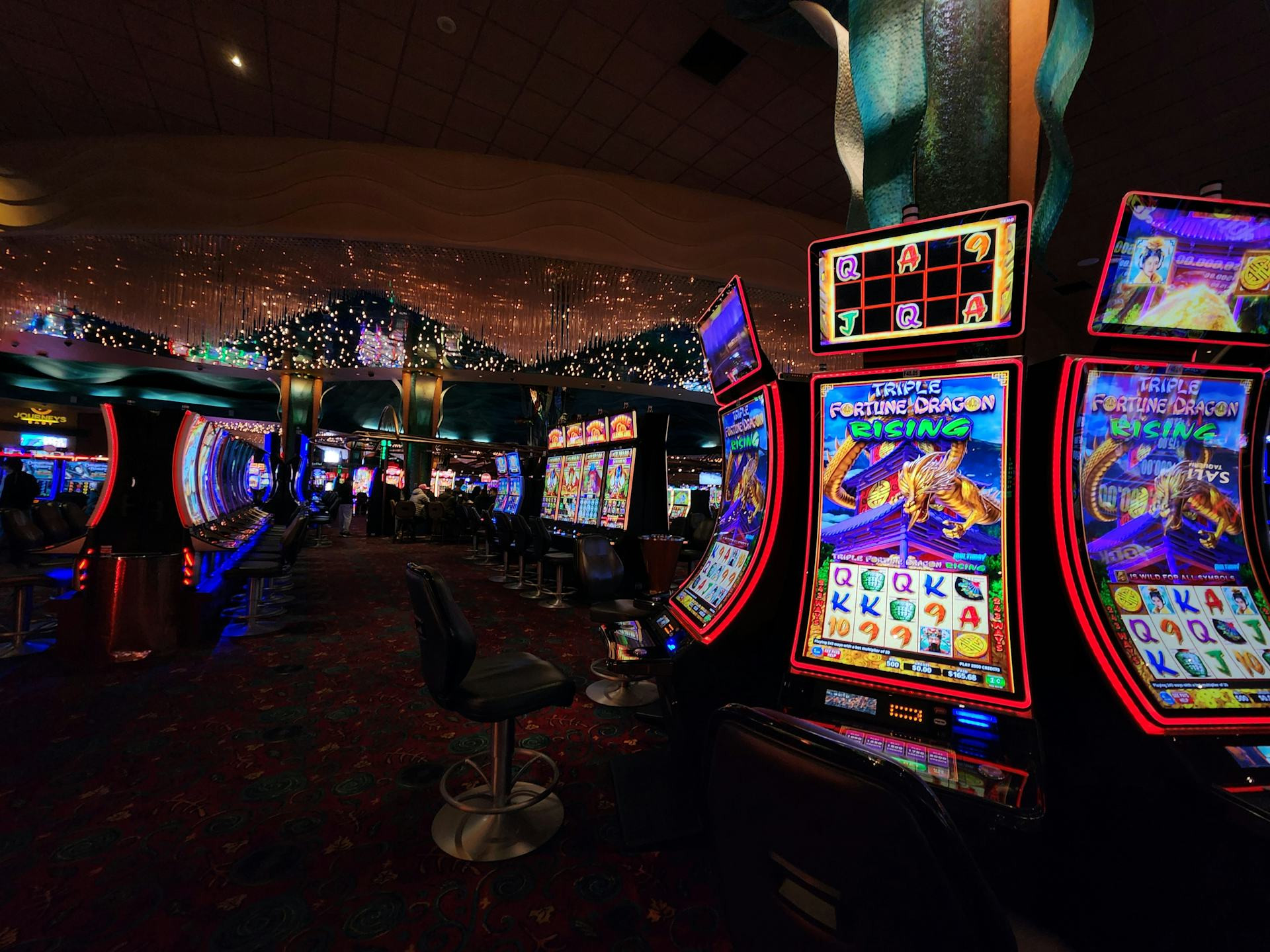
In a traditional casino, security is tangible. You can see it in the uniformed guards at the entrance, the cameras discreetly mounted in the ceiling, and the controlled access to staff-only areas. The goal is twofold: to protect guests and employees from crime, and to ensure that every game is fair and transparent.
Most U.S. casinos operate under strict state regulations and employ advanced surveillance systems—often referred to as “the eye in the sky.” These systems monitor every table, slot machine, and cash exchange. Security personnel are trained to detect suspicious behavior, from card counting and collusion to intoxicated guests who might cause disturbances.
But physical security isn’t just about cameras and guards. It’s also about creating an environment where guests feel comfortable and respected. A friendly, attentive security officer can do as much for a player’s sense of safety as any high-tech monitoring system.
Digital Security: Protecting Data and Trust
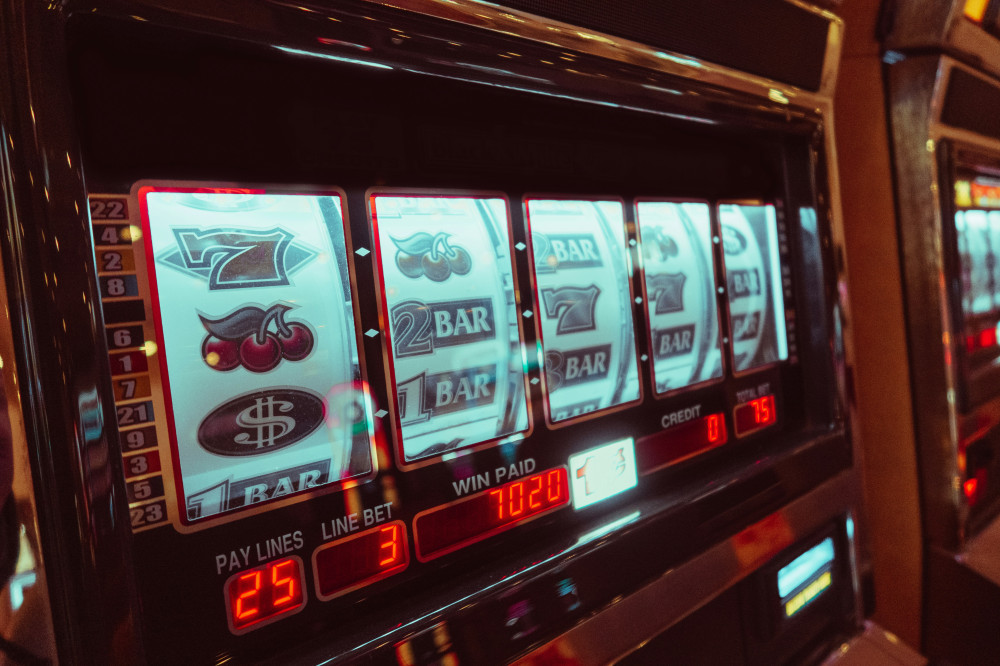
When the casino experience moves online, the threats change. Instead of pickpockets or cheaters at the table, the risks come from hackers, data breaches, and fraudulent activity. That’s why digital security has become one of the most critical aspects of online gaming.
Reputable U.S. online casinos use SSL encryption to protect players’ personal and financial information. They also operate under state licensing and regulation, such as those enforced by the New Jersey Division of Gaming Enforcement or the Nevada Gaming Control Board. These agencies ensure that games are fair, that operators follow strict data protection standards, and that responsible gaming measures are in place.
Another key element is identity verification. Players must confirm their identity to prevent money laundering and underage gambling. While it may seem like an extra step, it’s an essential part of maintaining a secure and trustworthy gaming environment.
Læs også:


Where the Two Worlds Meet
Physical and digital security may seem like separate disciplines, but they share a common foundation: trust. Both aim to ensure that players can enjoy themselves without fear of fraud or harm. Increasingly, casinos are blending the two worlds. A physical casino might offer an online platform for remote play, and the same level of security must apply in both spaces.
Technology is also helping physical casinos strengthen their on-site security. Facial recognition, digital access control, and AI-powered surveillance systems allow for faster responses to unusual activity. Meanwhile, online casinos are learning from the human touch of physical venues—offering live chat support, real-time dealer interactions, and tools for responsible gaming.
The Player’s Role: Security Starts with Behavior
No matter where you play, your own actions play a major role in staying safe. In a physical casino, that means keeping an eye on your belongings and following house rules. Online, it means choosing licensed operators, using strong passwords, and avoiding sharing personal information with unverified sources.
Many casinos—both physical and digital—now provide responsible gaming tools, such as deposit limits, self-exclusion options, and time-out features. These tools reflect a modern understanding of security: protecting not only against external threats but also against the risks that can arise from within.
Two Sides of the Same Experience
Physical and digital security aren’t competitors—they’re partners. One protects the body, the other protects the data, and both are essential to a safe and enjoyable casino experience. As the boundary between in-person and online gaming continues to fade, the casinos of the future will need to master both.
For players, that means you can enjoy the thrill of the game—whether you’re sitting at a blackjack table in Las Vegas or spinning the reels from your living room—knowing that security is built into every part of the experience.
Læs også: