Roulette as a Symbol: Luck, Risk, and Fate in Popular Culture

Roulette as a Symbol: Luck, Risk, and Fate in Popular Culture
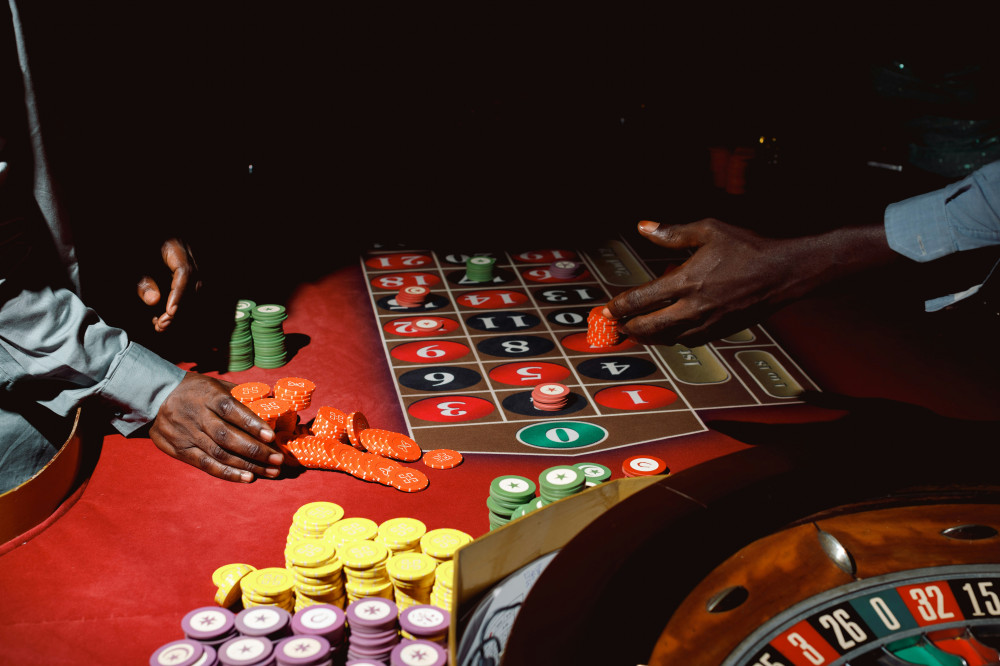
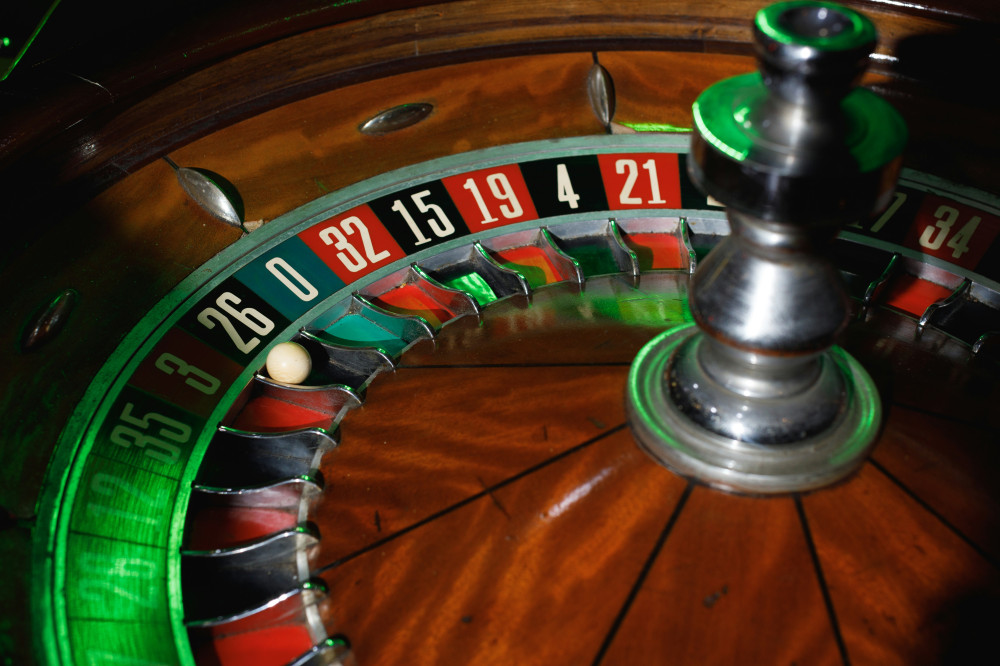
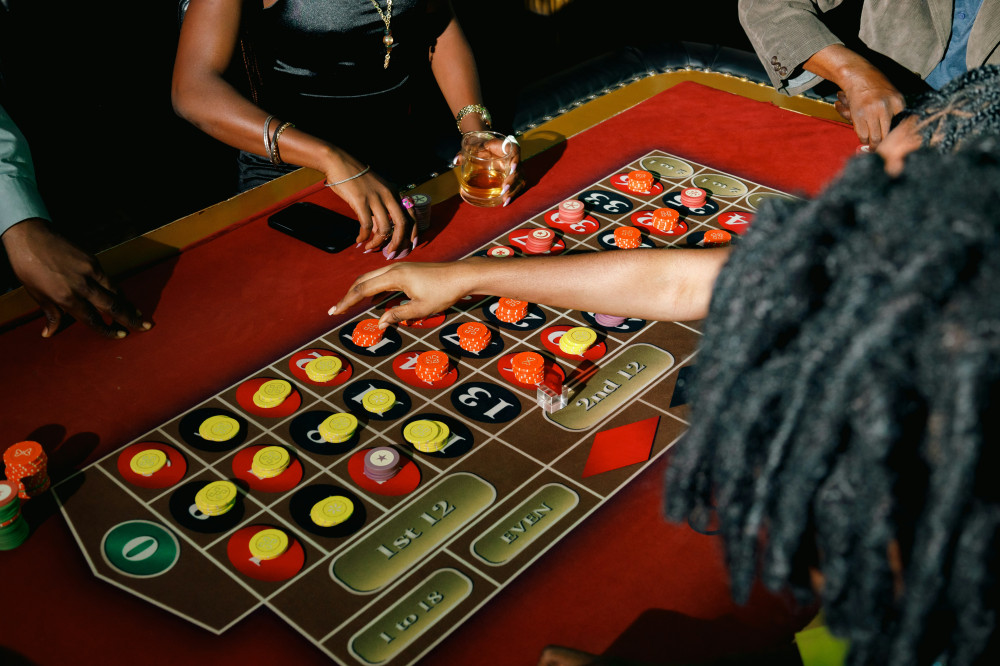
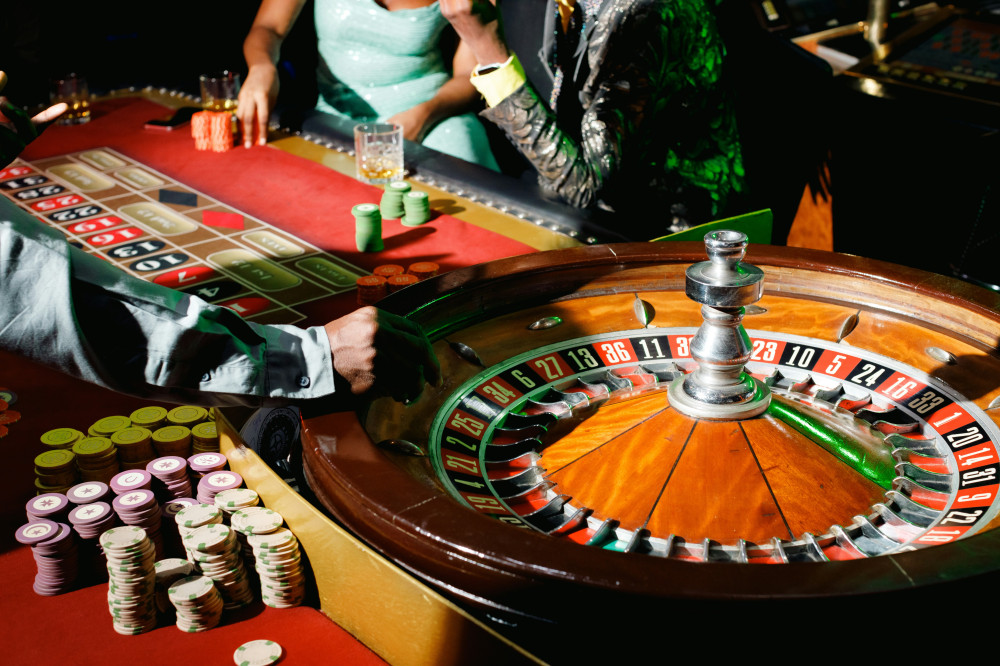
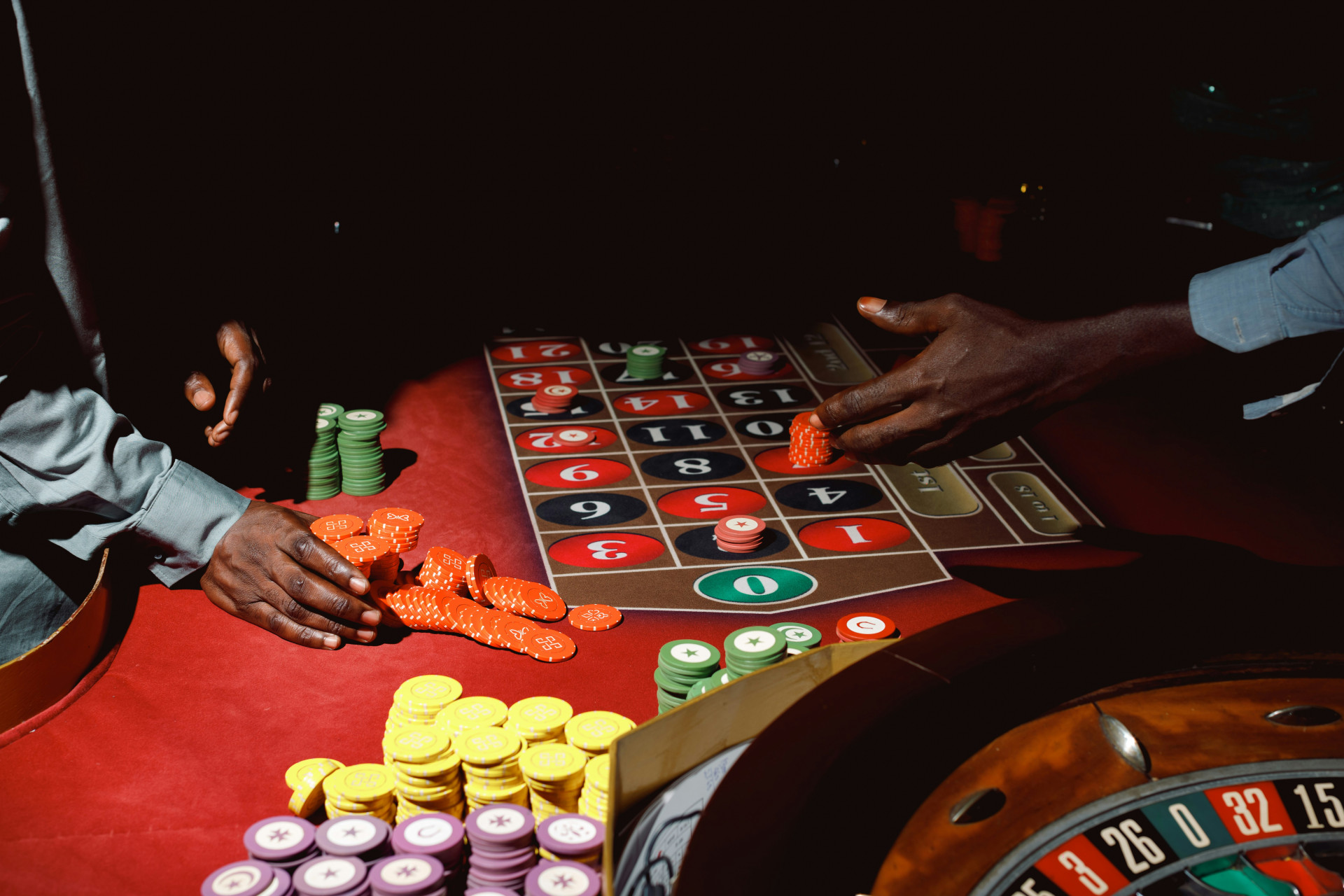
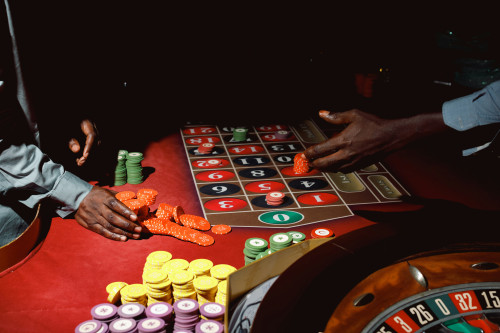
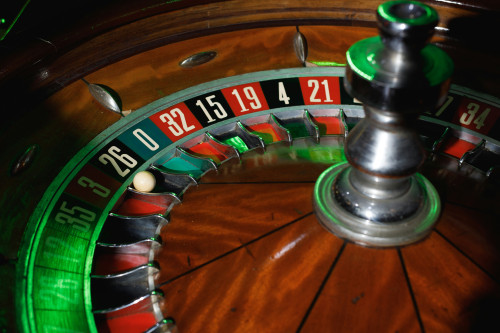
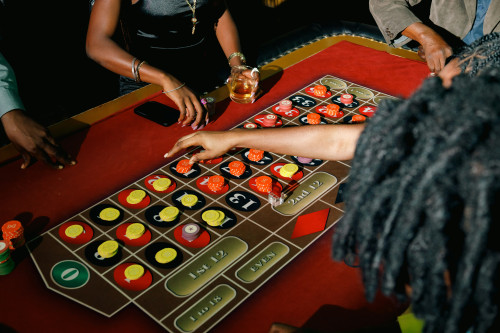
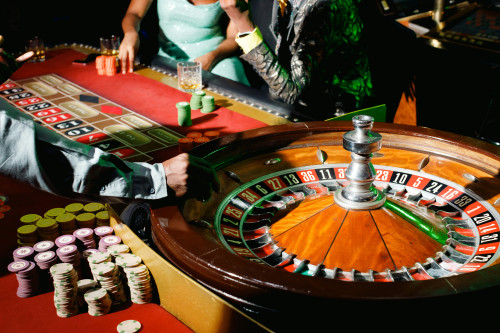
For more than two centuries, the roulette wheel has spun its way into the collective imagination as a symbol of chance, risk, and destiny. The spinning wheel, the bouncing ivory ball, and the suspense of the final outcome have made roulette more than just a casino game—it has become a metaphor for life’s unpredictability. In film, literature, and music, roulette often stands for the human desire to take chances, to test fate, and to believe that luck might one day turn in our favor.
A Game with Deep Roots
Roulette originated in 18th-century France and quickly became a favorite pastime among the European elite. Its appeal lay in its simplicity and its mystery: anyone could understand the rules, but no one could control the result. It was, and remains, a game where mathematics meets fate.
When roulette crossed the Atlantic in the 19th century, it found a new home in the gambling halls of New Orleans and later in the glittering casinos of Las Vegas. In the American imagination, the wheel came to represent both opportunity and danger—a reminder that fortune favors the bold, but not always the wise.
This tension between control and chaos has made roulette a powerful cultural symbol. The wheel’s circular motion evokes the cycles of life, where everything can change in an instant and where every spin holds the promise of transformation.
Roulette on the Silver Screen
In Hollywood, roulette has long been used as a visual shorthand for risk and destiny. In classic films like Casablanca, the roulette table becomes a stage for moral choices and hope—a place where characters gamble not just with money, but with their futures. The wheel’s spin mirrors the uncertainty of love, war, and sacrifice.
Later films, from crime dramas to psychological thrillers, have used roulette to explore obsession, control, and the allure of chance. The game often reflects the characters’ inner turmoil: they bet everything, knowing that the outcome is beyond their control. In these stories, roulette is not merely a game—it’s a mirror of human ambition and vulnerability.
Literature’s Fascination with Chance
Writers have long been drawn to roulette as a symbol of fate and free will. Fyodor Dostoevsky’s The Gambler remains one of the most famous literary explorations of the game, portraying roulette as both a destructive addiction and a desperate search for meaning. The wheel becomes a modern oracle, indifferent to morality or merit, deciding winners and losers with cold precision.
American authors, too, have used gambling imagery to explore the nation’s relationship with risk and reward. From the frontier spirit to the stock market, the idea of “taking a spin” has become part of the American ethos—a belief that fortune can be made or lost in a single moment.
Music and Pop Culture: When Luck Becomes a Lifestyle
Roulette has also found its way into popular music and advertising, where it often symbolizes daring, romance, and the thrill of uncertainty. To “bet on red or black” becomes a metaphor for taking emotional or creative risks—falling in love, chasing a dream, or starting over. The wheel’s gleaming surface and rhythmic spin make it a perfect visual for luxury, excitement, and the seductive pull of chance.
In the digital age, roulette has taken on new forms. Online casinos and live-streamed games have brought the wheel into homes across America, yet the fascination remains the same: the moment of suspense before the ball lands, the heartbeat of hope that maybe, just maybe, this time luck will strike.
Læs også:
Fate, Free Will, and the Human Need for Risk
Roulette is more than a game—it’s a reflection of how we confront uncertainty. We know the outcome is random, yet we play because we want to believe we can influence it. That illusion of control, that dance between logic and luck, is what makes roulette so enduringly captivating.
In popular culture, the roulette wheel stands as a symbol of life’s paradox: we crave security, yet we are drawn to risk. We know we cannot master fate, but we keep spinning the wheel anyway. And when the ball finally settles, we see ourselves in its motion—players in a larger game where luck, choice, and destiny are forever intertwined.
Læs også: