From Dice to Casinos: The History of Craps’ Evolution and Its Path to Modern Gaming

From Dice to Casinos: The History of Craps’ Evolution and Its Path to Modern Gaming
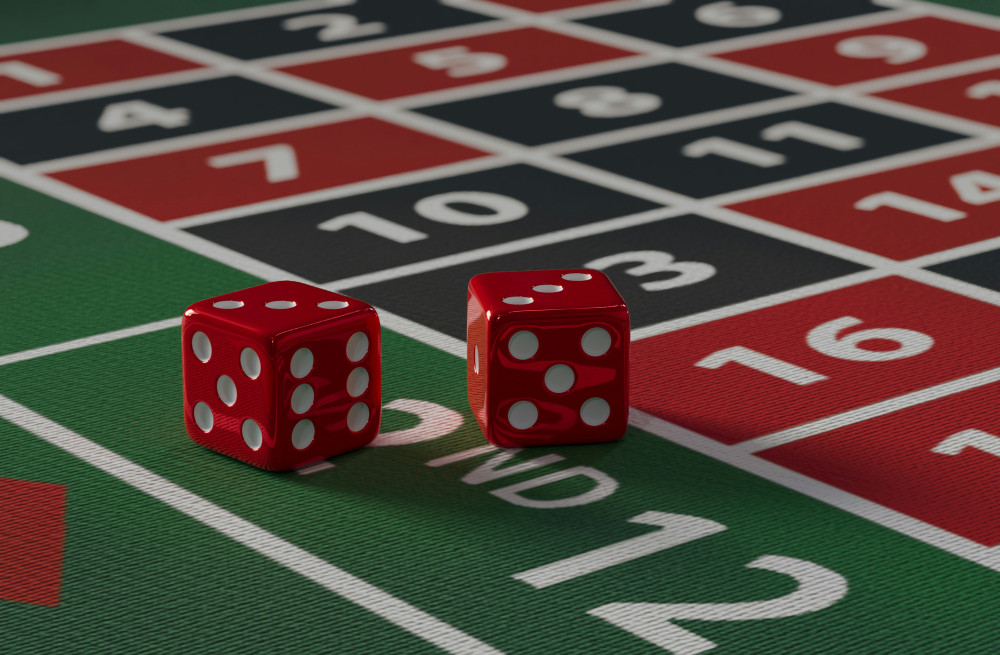
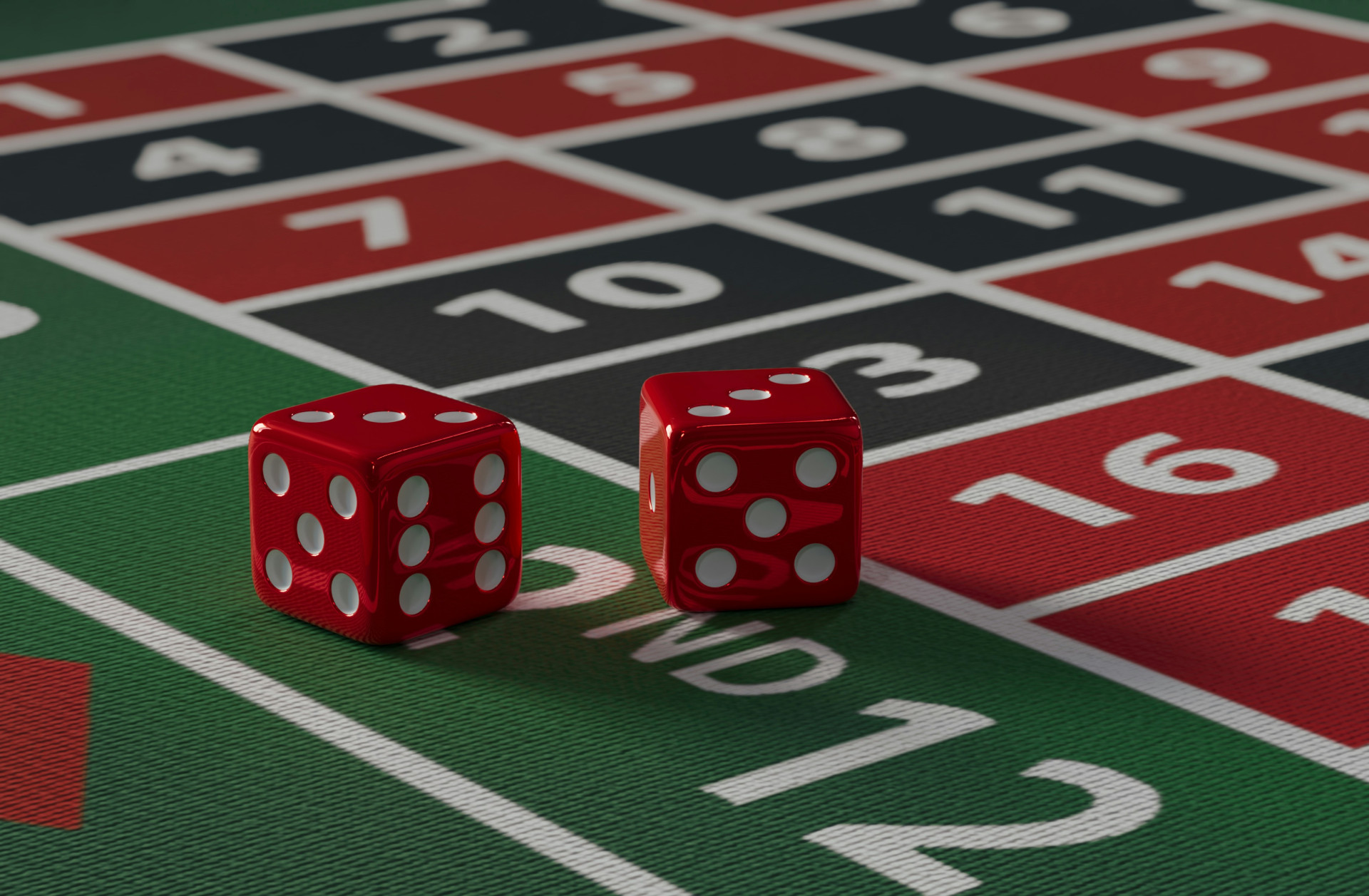
Craps is one of the most recognizable casino games in the world—fast-paced, loud, and full of energy. The cheers around the table, the clatter of dice, and the shared excitement make it a symbol of casino culture. But behind the flashing lights of Las Vegas and the digital screens of online casinos lies a story that stretches back centuries. This is the tale of how a medieval dice game evolved into one of America’s most iconic forms of entertainment.
Medieval Origins: From Hazard to History
The roots of craps can be traced to an old English game called Hazard, which dates back to the Middle Ages. Legend has it that crusaders played it in the 12th century, and its name may come from an Arabic word for “dice.” Hazard was a complex game with intricate rules, enjoyed by both nobles and commoners across Europe.
As the game spread to France, it was simplified and became more accessible. French settlers later brought it to the New World, particularly to Louisiana, where it found a new home in the vibrant culture of New Orleans during the 18th and 19th centuries.
From Hazard to Craps: The American Reinvention
In New Orleans, French-American players streamlined Hazard’s rules, creating a faster, more straightforward version. This new game became known as craps, likely derived from the French word crapaud—meaning “toad”—a nickname for players who crouched on the ground while rolling dice in the streets.
Craps quickly became a favorite among workers, sailors, and travelers because it required almost nothing to play—just two dice and a flat surface. It spread along the Mississippi River, finding its way onto riverboats and into saloons, becoming a staple of American leisure.
The Casino Revolution: John H. Winn’s Innovation
By the early 1900s, craps had made its way into the first American casinos. However, the game faced a major problem: cheating. Players could manipulate dice, leading to disputes and mistrust. Enter John H. Winn, a visionary who redesigned the craps table to include bets both “for” and “against” the shooter. His layout made the game fairer and more transparent, laying the foundation for the modern version of craps we know today.
Winn’s design became the industry standard, and craps soon became synonymous with excitement, camaraderie, and the thrill of chance in casinos across the United States.
Læs også:

The Soldiers’ Game: Craps in World War II
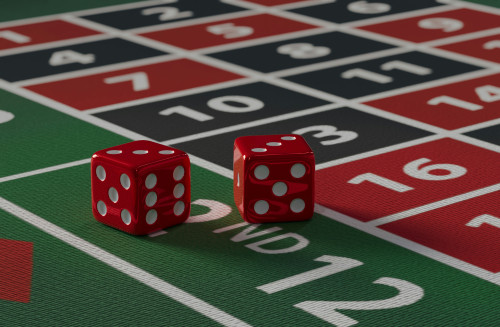
During World War II, craps became a favorite pastime among American soldiers. It was easy to set up—no cards, no table, just two dice and a bit of space. The game offered a welcome distraction from the uncertainty of war and helped build bonds among troops.
When the war ended, many veterans brought the game home, and craps became embedded in American popular culture. It appeared in movies, songs, and stories as a symbol of luck, risk, and the dream of hitting that perfect roll.
Las Vegas and the Golden Age of Craps
As Las Vegas rose to prominence in the mid-20th century, craps became one of the city’s signature attractions. The craps table was the heart of the casino floor—surrounded by crowds, filled with cheers, and alive with energy. Unlike many other casino games, craps fostered a sense of community: players weren’t competing against each other but together against the house.
Craps came to represent the American spirit of optimism—the belief that with one good roll, fortune could change. It was a game for everyone, where strangers became teammates and every throw carried the promise of excitement.
From Casino Floors to Digital Screens
The rise of the internet in the 1990s brought craps into the digital age. Online casinos allowed players to enjoy the game from home, and later, live-dealer versions recreated the social atmosphere through video streaming. Today, craps exists in countless forms—from realistic 3D simulations to quick mobile versions designed for play on the go.
Technology has changed how we play, but not why we play. The anticipation of the dice, the collective gasp as they tumble, and the hope for a winning roll remain timeless.
A Game That Still Brings People Together
Craps has survived for more than eight centuries because it combines simplicity with excitement. The rules are easy to learn, but the experience—rooted in energy, community, and chance—is what keeps players coming back. Whether it’s played on a glittering casino floor in Las Vegas or on a smartphone at home, craps continues to unite people through the shared thrill of the roll. From dice to casinos and now into the digital era, the spirit of the game endures.
Læs også: