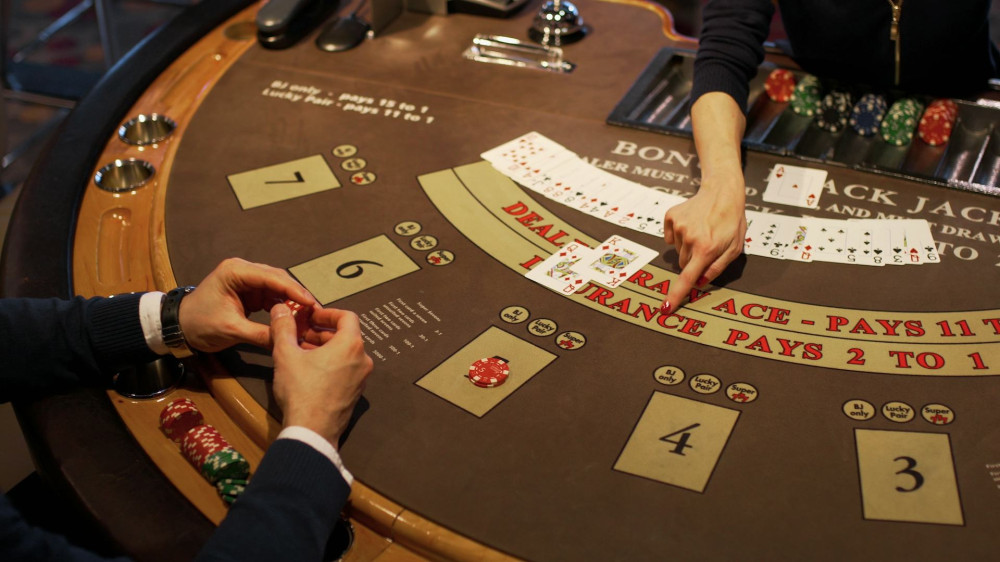
The Evolution of Blackjack: From Classic Card Games to Modern Casinos

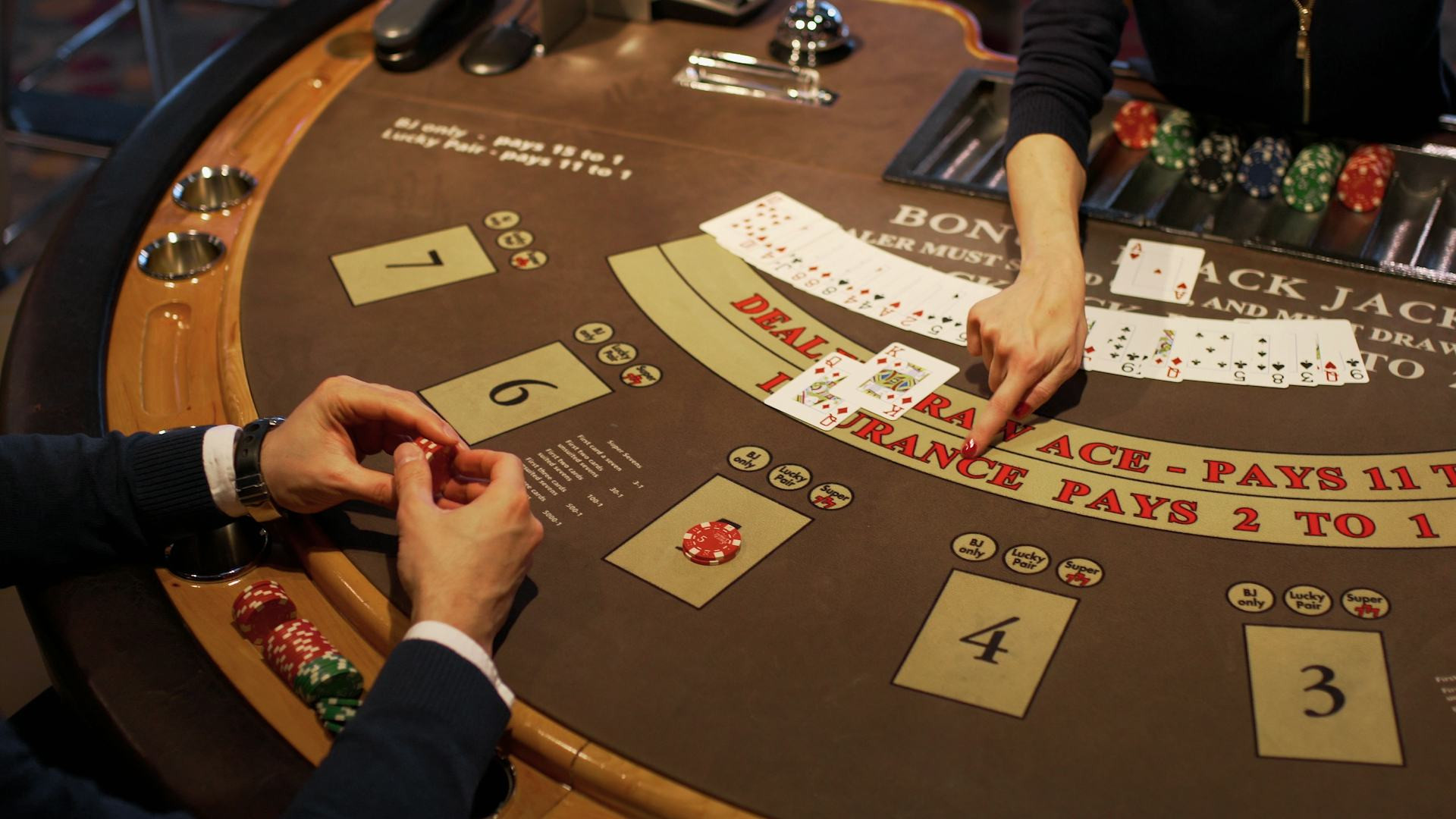
The Evolution of Blackjack: From Classic Card Games to Modern Casinos
Blackjack stands today as one of the most iconic and widely played card games in the world—found everywhere from the glittering floors of Las Vegas casinos to the screens of online gaming platforms. Combining luck, skill, and quick decision-making, blackjack has evolved over centuries from its European origins into the fast-paced, strategy-driven game Americans know and love. Let’s take a closer look at how blackjack developed, how it became a staple of American casino culture, and where it’s headed in the digital age.
From European Parlors to the American Frontier
The roots of blackjack trace back to 17th-century France, where a game called Vingt-et-Un—meaning “twenty-one”—was popular among the nobility. The objective was simple: reach 21 without going over. Similar games appeared across Europe, including the Spanish Trente et Quarante and the Italian Sette e Mezzo, each with its own twist on the same basic idea.
When French settlers brought Vingt-et-Un to North America in the 18th and 19th centuries, it quickly found a home in the saloons and gambling halls of the American frontier. To attract players, casinos offered special bonuses—most famously, a 10-to-1 payout for a hand containing the ace of spades and a black jack (either the jack of clubs or spades). The bonus eventually disappeared, but the name “blackjack” stuck, and a new American classic was born.
The Rules Take Shape
In its early days, blackjack varied widely from one region to another. Some versions had players competing against each other, while others pitted them against a dealer. It wasn’t until the early 20th century that the rules became standardized into the form we recognize today: players compete against the dealer, aiming to get closer to 21 than the dealer without busting.
This period also saw the introduction of familiar terms like “hit,” “stand,” “double down,” and “split.” These options transformed blackjack from a game of pure chance into one where strategy and probability could influence the outcome—an element that continues to attract analytical minds and casual players alike.
The Rise of Strategy and the Card-Counting Revolution
The mid-20th century marked a turning point for blackjack strategy. In 1962, American mathematician Edward O. Thorp published Beat the Dealer, a groundbreaking book that introduced the concept of card counting—a method that allowed skilled players to gain a statistical edge over the house. Thorp’s work revolutionized the game and made blackjack the first casino game where skill could truly make a difference.
Casinos responded by introducing multiple decks, shuffling more frequently, and later using automatic shufflers to reduce players’ advantage. Still, the allure of card counting and strategic play became part of blackjack’s mystique, inspiring countless books, movies, and even real-life teams of professional players.
From Las Vegas to the Digital World
As Las Vegas rose to prominence in the mid-20th century, blackjack became one of its signature attractions. The game’s blend of simplicity, speed, and excitement made it a perfect fit for the city’s glamorous casino culture. From the Rat Pack era to the modern mega-resorts, blackjack tables have remained a centerpiece of the Vegas experience.
The 1990s brought another major shift with the rise of online casinos. Suddenly, players could enjoy blackjack from the comfort of their homes. The introduction of live dealer games—where real dealers are streamed via video—added a new level of authenticity, bridging the gap between physical and digital play. Today, millions of Americans play blackjack online, whether for fun or real money.
Læs også:



Modern Variations and Technological Trends
Modern blackjack comes in countless variations. Classic “Single Deck” and “European Blackjack” remain popular, but newer versions like “Blackjack Switch,” “Pontoon,” and games with side bets or progressive jackpots offer fresh twists. Online platforms have also introduced interactive features, leaderboards, and social elements that make the experience more engaging.
Technology continues to shape the game’s future. Mobile apps allow players to practice or play on the go, while virtual reality (VR) casinos and artificial intelligence (AI) tools are redefining how players interact with the game. At the same time, responsible gaming initiatives and transparent regulations have become key priorities in the modern casino industry.
A Timeless Game of Skill and Chance
Blackjack’s enduring appeal lies in its balance of simplicity and depth. The rules are easy to learn, yet mastering the strategy can take a lifetime. It’s a game where both beginners and seasoned players can find excitement, challenge, and reward.
From the elegant salons of 17th-century France to the neon lights of Las Vegas and the digital tables of the internet age, blackjack has never lost its charm. Its evolution reflects not only changes in gaming but also the timeless human fascination with risk, strategy, and the thrill of the next card.
Læs også: