Know the House Edge: Learn to Evaluate the Odds in New Games

Know the House Edge: Learn to Evaluate the Odds in New Games
When you try a new game at a casino—whether in Las Vegas or online—it’s easy to get caught up in the excitement. But behind every game lies a mathematical truth: the house always has an edge. Understanding how that edge works, and how to evaluate the odds, is key to playing smart and keeping control of your gaming experience.
What Does “House Edge” Mean?
The house edge is the percentage the casino statistically expects to earn from a game over time. It’s built into the rules and ensures that the casino maintains a small advantage—no matter how lucky a player might be in the short term.
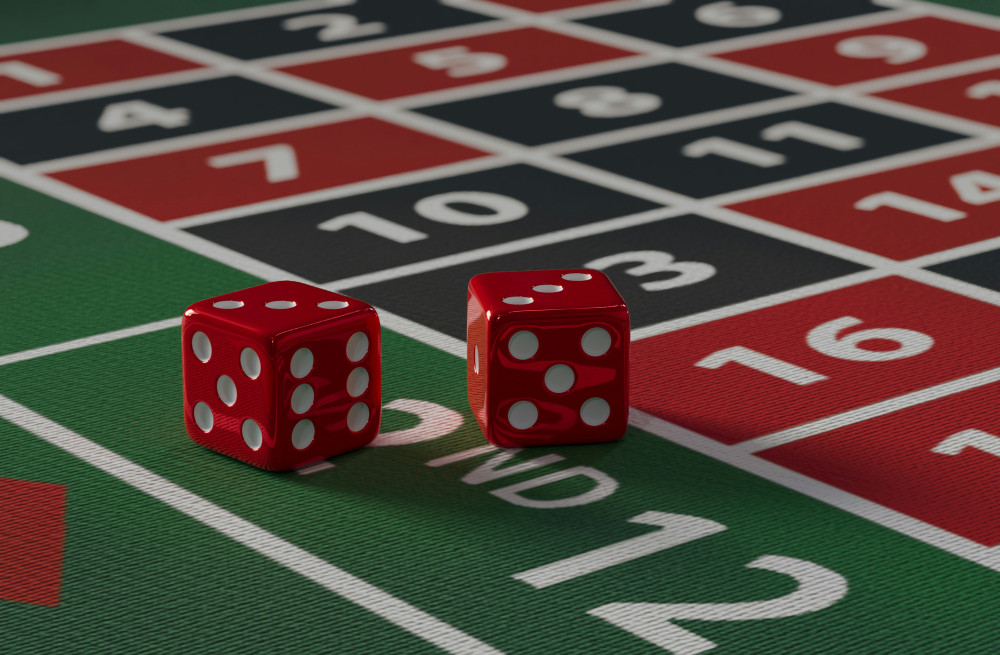
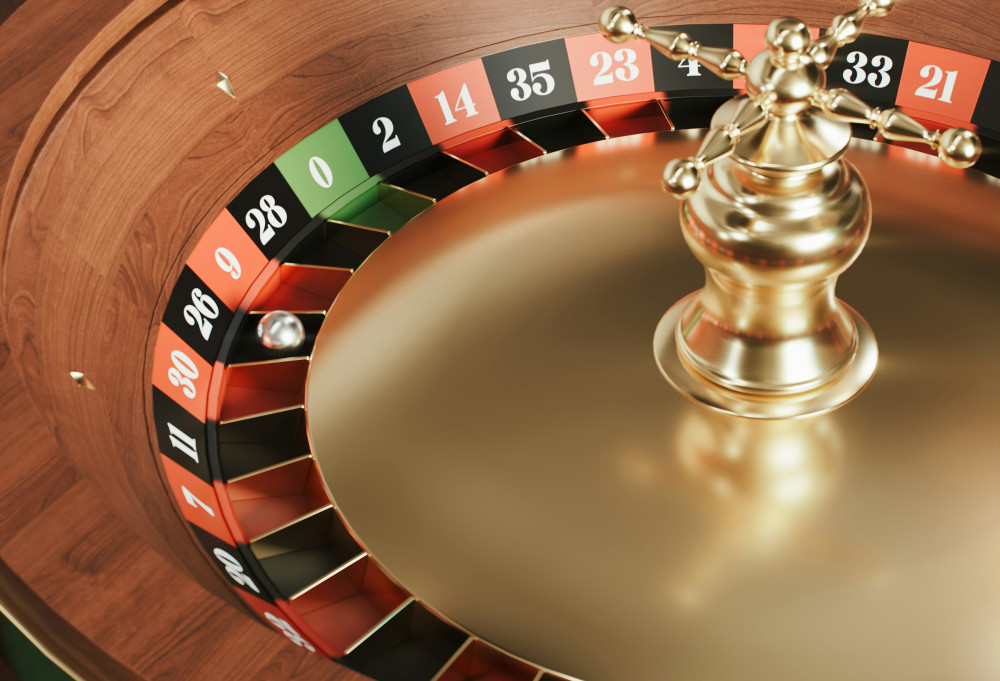
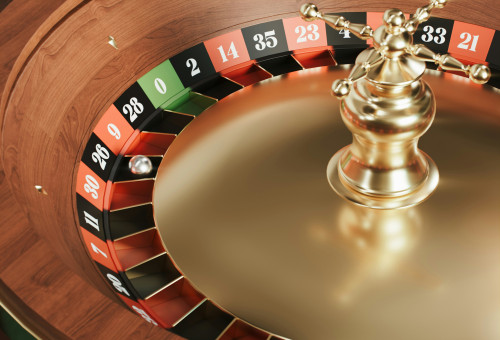
Take roulette as an example. On an American wheel with 38 pockets (1–36, 0, and 00), you win 35 times your bet if you hit a single number. But because there are 38 possible outcomes, your true odds of winning are 1 in 38. That small difference between the payout and the actual probability is the house edge—about 5.26% in this case.
How to Evaluate the Odds in New Games
When you come across a new game, you can use a few simple principles to gauge how favorable it is for the player:
- Check the paytable. It shows how much you win for different outcomes. The lower the payout compared to the probability, the higher the house edge.
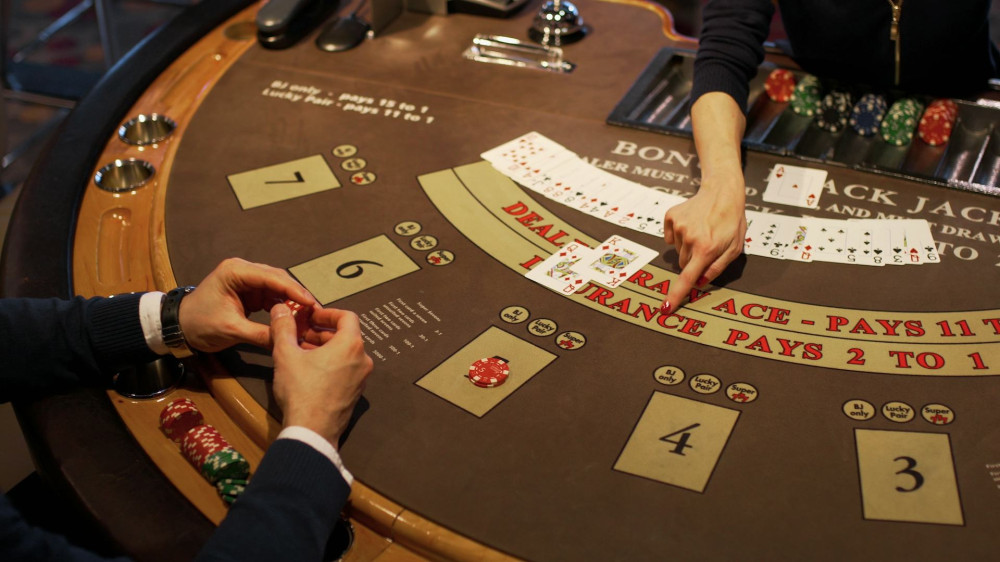
- Study the rules. Small variations—like the number of decks in blackjack or the presence of a double zero in roulette—can significantly change the house’s advantage.
- Compare with familiar games. If you know that blackjack typically has a house edge under 1%, while slot machines often range from 3–10%, you can quickly see where a new game stands.
- Look for the Return to Player (RTP). Many online games display an RTP percentage. An RTP of 96% means the house expects to earn 4% over time.
Læs også:

Play with Strategy—Not Just Luck
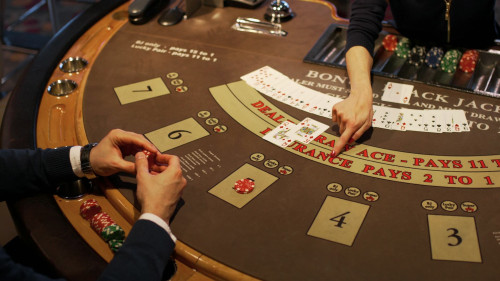
While luck plays a big role, strategy can reduce the house edge in certain games. In blackjack, for example, using basic strategy helps you make statistically optimal decisions. In video poker, choosing the right hands can improve your odds of winning.
That doesn’t mean you can beat the house in the long run—but you can extend your playtime, increase your chances of short-term wins, and get more entertainment value from your money.
Be Cautious with Games You Don’t Understand
New games are launched all the time, often with flashy themes and bonus features. But the more complex a game is, the harder it can be to understand the odds. If you can’t find clear information about payouts or probabilities, proceed with caution.
A good tip is to try the game in free or demo mode first, if available. That way, you can learn the rules and decide whether it’s worth betting real money.
Play Responsibly—and with Knowledge
Knowing the house edge isn’t about taking the fun out of gaming—it’s about playing with open eyes. When you understand how the odds work, you can set realistic expectations and avoid chasing losses.
Gambling should be entertainment, not a way to make money. By combining knowledge, moderation, and curiosity, you can enjoy a more rewarding and mindful gaming experience—whether you’re playing cards, spinning a roulette wheel, or exploring a brand-new online game.
Læs også: