Game Theory in Practice: Understanding the Dynamics Between Player and the House

Game Theory in Practice: Understanding the Dynamics Between Player and the House
When you walk into a casino—whether on the Las Vegas Strip or through an online platform—it’s easy to think it’s all about luck. But behind the flashing lights and spinning wheels lies a deeper logic: game theory. This branch of mathematics and economics studies strategic decision-making, where outcomes depend on the choices of multiple players. In the world of gambling, both the player and the house act according to incentives and probabilities. To understand why the house almost always wins in the long run, we need to look at how game theory operates in practice.
The House Always Has the Edge—And That’s No Accident
Casinos aren’t built on luck; they’re built on statistics. Every game—from roulette to blackjack—is designed with a mathematical advantage for the house, known as the house edge. This means that while players can win in the short term, the casino is statistically guaranteed to profit over time.
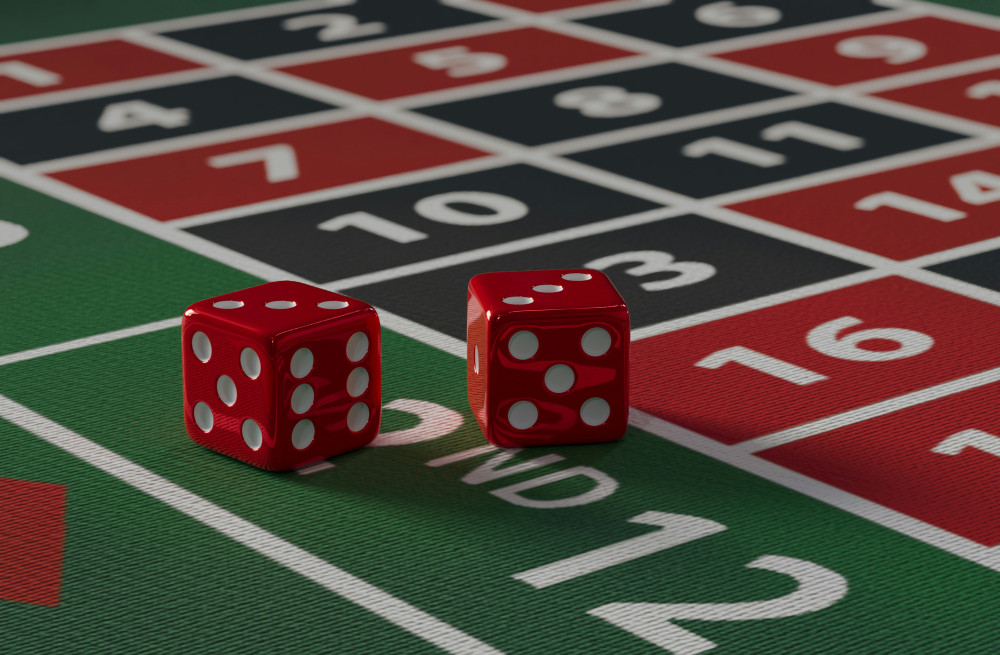
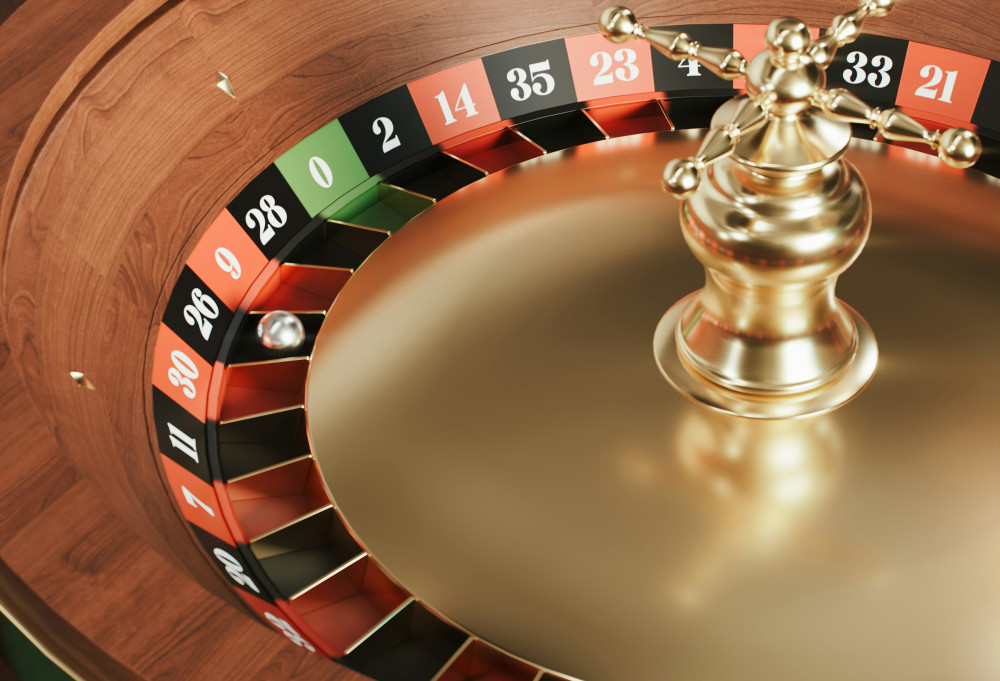
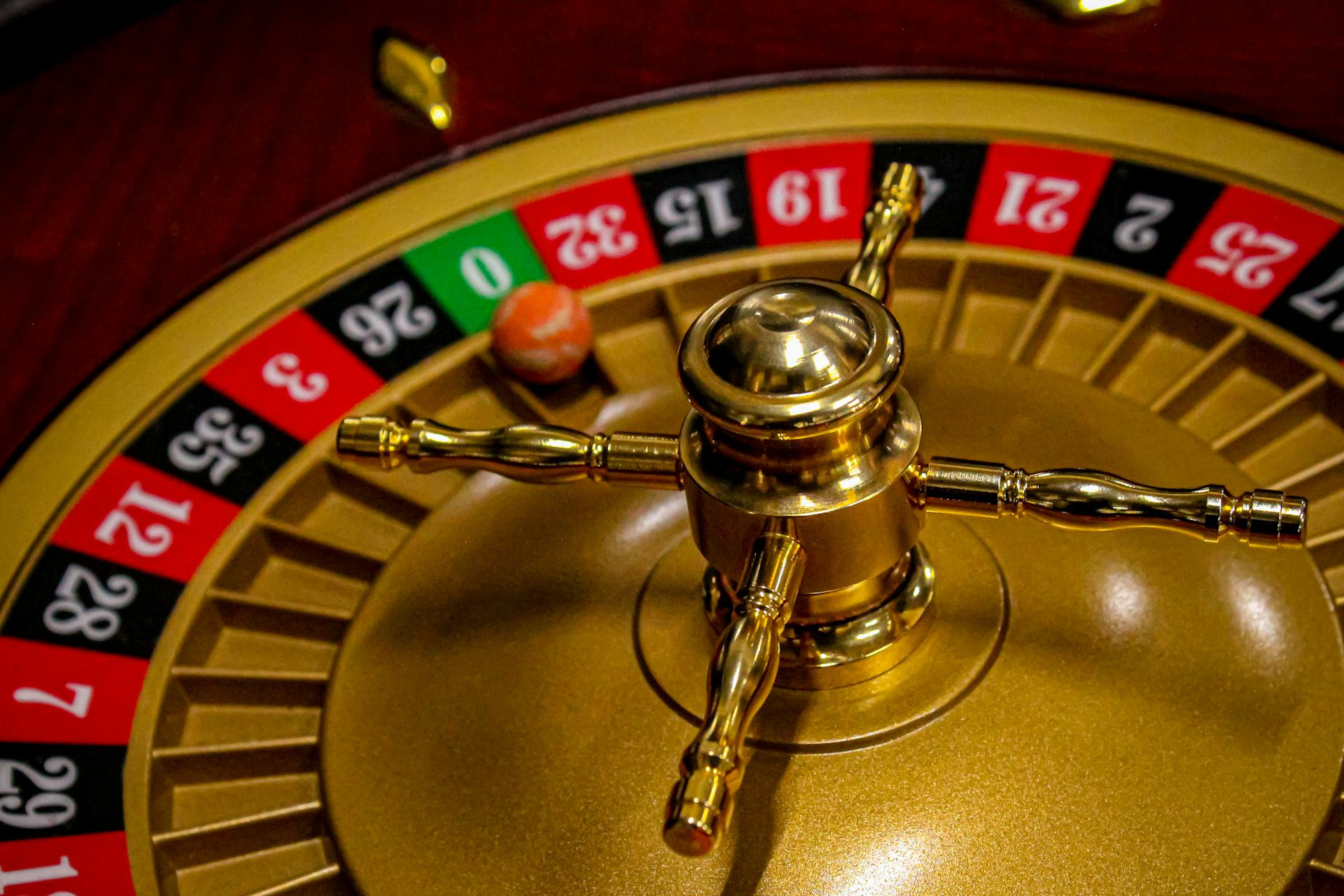
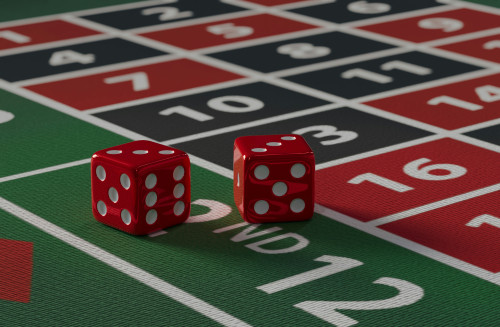
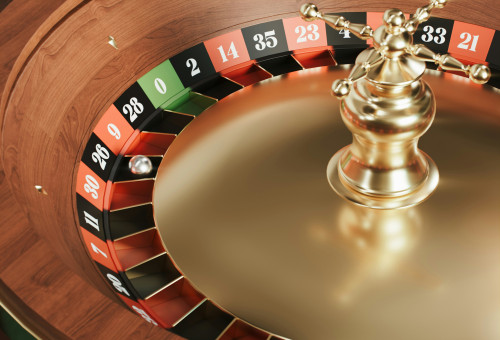
Take American roulette, for example. With both a single zero and a double zero, the house edge is about 5.26%. That may sound small, but over thousands of spins, it ensures a steady return for the casino. From a game theory perspective, this is a classic zero-sum game: one player’s gain is another’s loss. Yet the built-in bias ensures that the house remains the dominant player in the long run.
Læs også:
The Player’s Strategy: Rational or Emotional?
From a game-theoretic standpoint, players can approach gambling in two ways: rationally or emotionally. The rational player understands the odds and knows that no strategy can overcome the house edge over time. The emotional player, however, is driven by hope, intuition, and the memory of past wins—and that’s exactly where the casino’s strength lies.
Many games exploit psychological mechanisms such as intermittent reinforcement—small, unpredictable rewards that keep players engaged. This mirrors principles from behavioral economics, where people often act irrationally even when they know the risks. Game theory helps explain why, even in games with transparent odds, human behavior often deviates from the optimal strategy.
Nash Equilibrium in the Casino Environment
A central concept in game theory is the Nash equilibrium—a situation where no player can improve their outcome by changing strategy, as long as others stick to theirs. In the casino context, the house and the player exist in a kind of equilibrium: the house offers games with fixed rules and a known advantage, while the player accepts those terms in pursuit of entertainment and potential reward. Neither side has an incentive to change, because the system works—for the casino’s profit and the player’s enjoyment.
When Strategy Meets Probability: The Case of Blackjack
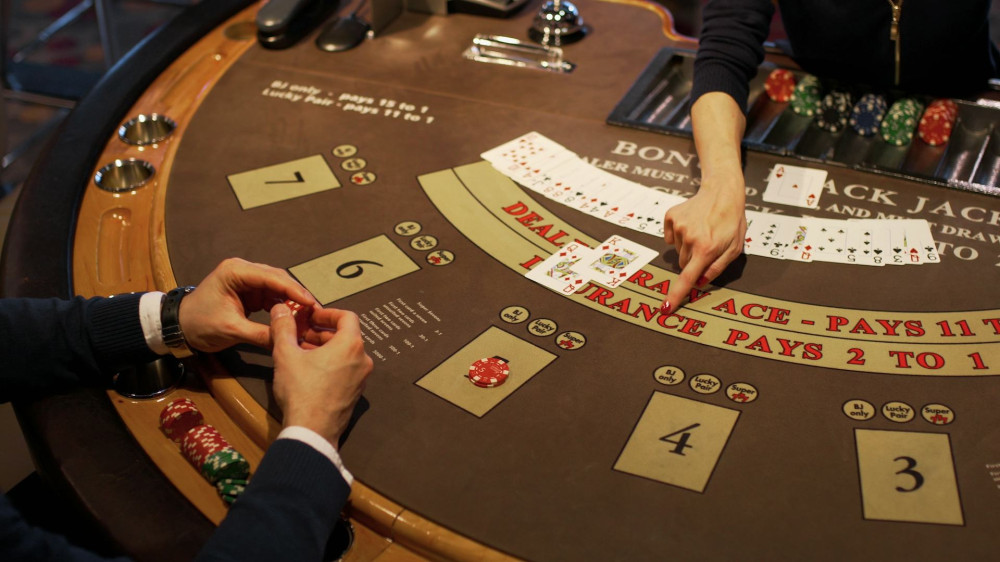
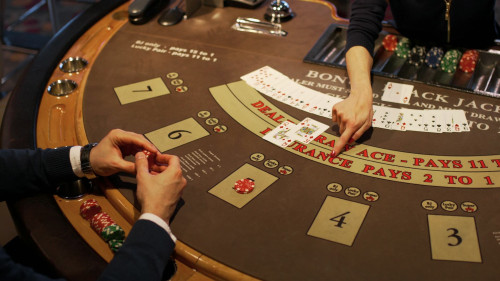
Blackjack is one of the few casino games where a player’s decisions can meaningfully influence the outcome. Here, game theory can be applied directly. By following an optimal strategy—based on the probabilities of each possible card combination—a player can reduce the house edge to less than 1%. Some go further, using card counting to predict when the odds temporarily shift in their favor.
But the house adapts. Casinos use multiple decks, shuffle more frequently, and monitor betting patterns to counter these strategies. It’s a game within the game—a continuous strategic adjustment where both sides seek to optimize their chances. In game theory terms, this is a dynamic strategy, where each participant evolves in response to the other’s moves.
Game Theory as a Lens—Not a Winning Formula
While game theory can explain the dynamics between player and house, it doesn’t offer a way to beat the system. In fact, it highlights why the house’s structural advantage is nearly impossible to overcome. For players, however, understanding these principles can lead to a more realistic view of gambling—and perhaps help set limits on how much to risk.
Seeing the casino through the lens of game theory isn’t about finding a secret formula for success. It’s about understanding how strategy, probability, and human behavior intertwine in a complex, fascinating system—one where the real game is not just on the table, but in the minds of those who play.
Læs også: