Invalid Ballots and Errors – How the Applicable Rules Are Applied in Practice

Invalid Ballots and Errors – How the Applicable Rules Are Applied in Practice
When you take part in a lottery or sweepstakes, you expect everything to be fair and transparent. But what happens if a ticket turns out to be invalid, or if an error occurs during the drawing? The rules for handling invalid entries and technical mistakes are carefully defined to protect both participants and organizers. In this article, we take a closer look at how these rules are applied in practice in the United States—and what you, as a participant, should know.
What Is an Invalid Ballot?
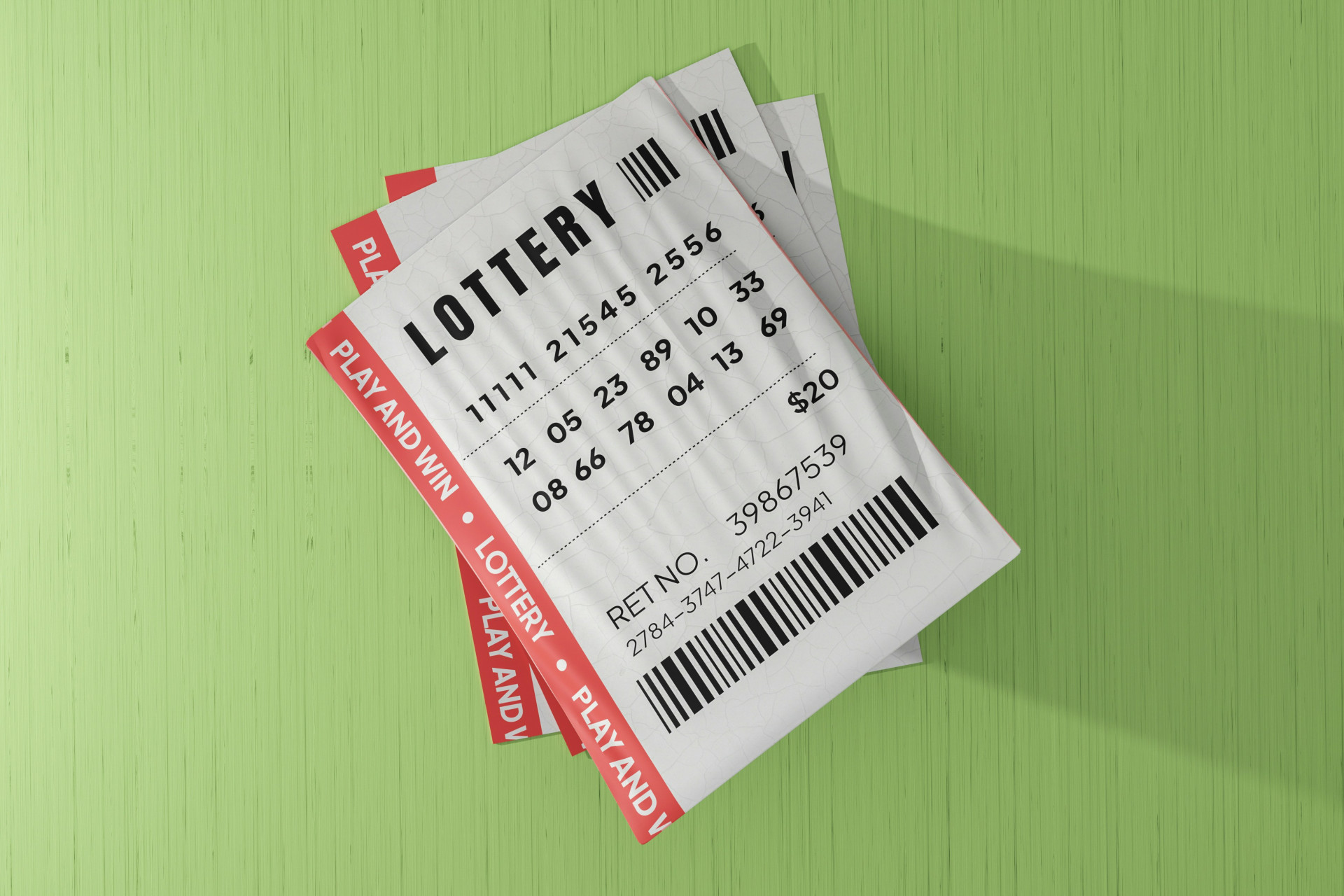
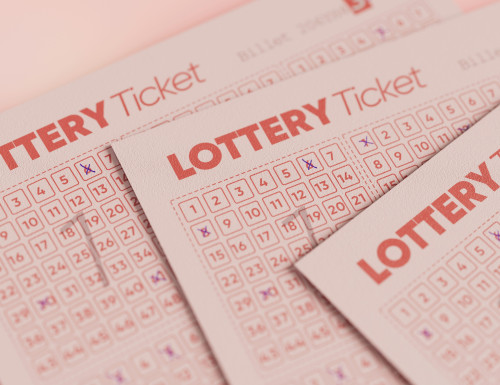
A lottery ticket or entry can be declared invalid for several reasons. It may be damaged, altered, or not properly issued. In digital or online drawings, invalidity can result from technical issues such as duplicate entries, incomplete registration, or failed payment.
An invalid ticket has no claim to any prize, even if it appears to be a winner. It is the organizer’s responsibility to verify all entries and detect any irregularities before prizes are awarded.
In practice, this means that every entry—whether physical or digital—goes through a validation process. Serial numbers, payment confirmations, and security codes are checked to ensure authenticity. Only after a ticket passes this verification can a prize be officially confirmed and paid out.
What Happens When Errors Occur?
Even with modern technology, mistakes can happen. These may include technical glitches during the drawing, data entry errors, or system malfunctions. In such cases, clear procedures are in place.
Most licensed lotteries and sweepstakes in the U.S. are subject to oversight by state gaming commissions or independent auditors. If an error is discovered, the drawing may be voided and repeated—but only if the mistake affected the outcome, such as when a valid entry was mistakenly excluded or counted twice.
All steps of the process are documented to ensure transparency and accountability. This documentation allows organizers to demonstrate that the rules were followed and that all participants were treated fairly.
Participants’ Rights and Responsibilities
As a participant, you have the right to know the official rules of the lottery or sweepstakes you enter. Organizers are required to publish terms and conditions, including how invalid entries and errors are handled. If you believe a mistake has occurred, you can usually file a complaint or request a review within a specified time frame.
At the same time, you are responsible for ensuring that your entry is valid. This means keeping your ticket safe, submitting your entry correctly, and following all participation instructions. In online contests, you should confirm that your registration was successful and that you received a confirmation or receipt.
The Role of Technology in Preventing Errors
Digitalization has made it easier to prevent invalid entries and technical mistakes. Modern lottery systems use automated validation tools that ensure each entry is unique and properly recorded. Encryption and verification codes make it nearly impossible to tamper with tickets or manipulate results.
Many organizers also maintain audit trails that record every change in the system, allowing for full traceability. However, human oversight remains essential. Automated systems are often supplemented by manual checks and independent audits to ensure integrity.
Læs også:
When an Error Cannot Be Corrected
In rare cases, an error cannot be corrected—for example, if a prize has already been paid out based on an invalid entry. When this happens, the organizer must follow the applicable rules for refunds or compensation. Depending on the circumstances, state regulators or independent arbitrators may become involved to ensure that the resolution is fair and consistent with the law.
Transparency Builds Trust
Ultimately, the handling of invalid ballots and errors is about trust. Participants must be confident that everything is conducted fairly and that any mistakes are addressed professionally. That’s why it’s crucial for organizers to communicate openly about their procedures and take responsibility when something goes wrong.
For participants, the best approach is to familiarize yourself with the rules before entering. Understanding how invalid entries and errors are managed provides peace of mind—and ensures you know what to expect if something doesn’t go as planned.
Læs også: