Probability at the Core: How Modern Lotteries Have Changed the Understanding of Gambling

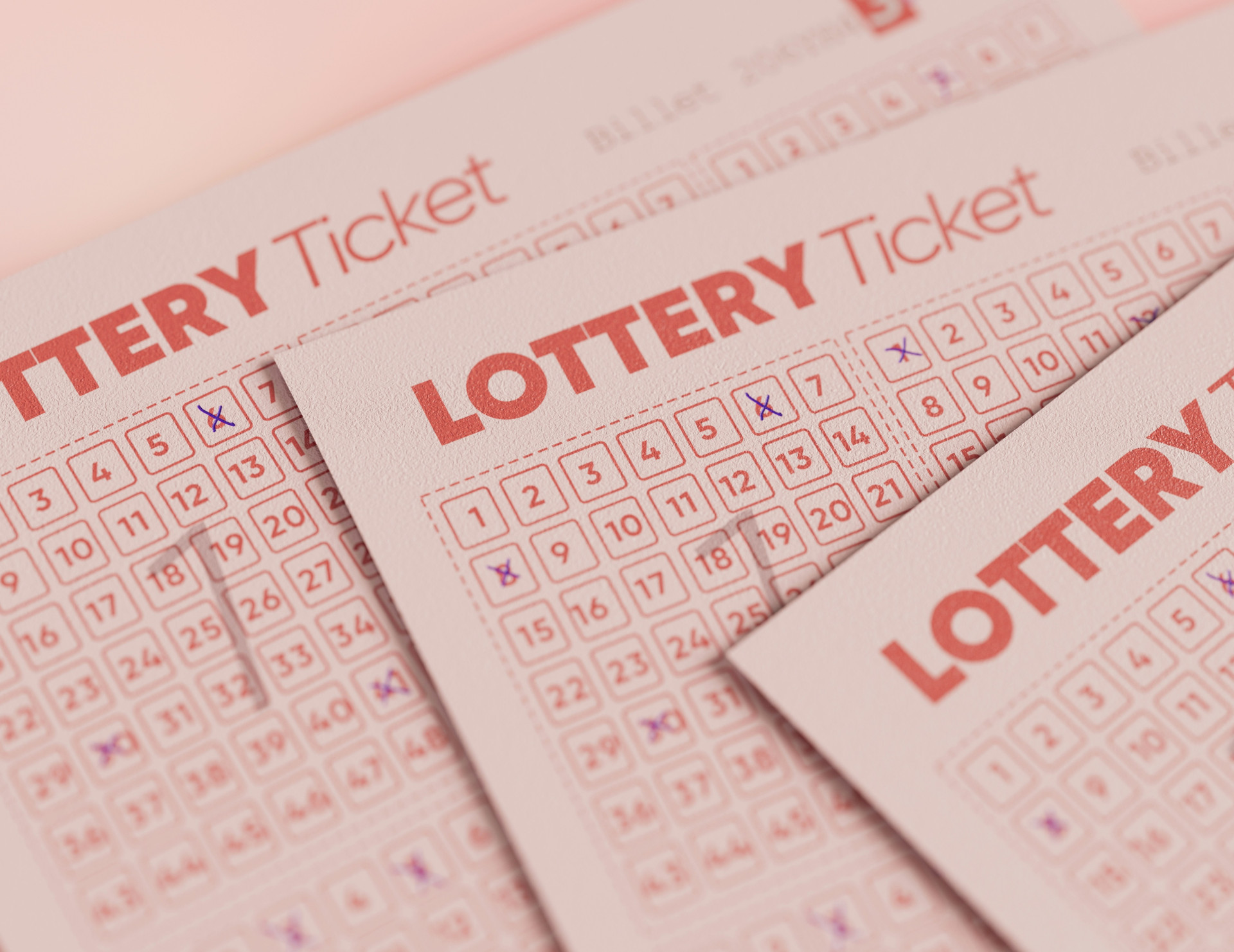
Probability at the Core: How Modern Lotteries Have Changed the Understanding of Gambling
Lotteries have long captured the human imagination — the thrill of chance, the dream of instant wealth, and the belief that luck might one day strike. But as technology and data have become central to modern life, lotteries have evolved far beyond paper tickets and televised drawings. Today, they are not only games of chance but also reflections of how we understand probability, responsibility, and risk in a digital age.
From Paper Tickets to Digital Platforms
The traditional lottery ticket, once bought at a corner store and filled out by hand, has largely been replaced by online platforms and mobile apps. In the United States, state lotteries now offer digital subscriptions, instant online games, and mobile notifications that make participation easier than ever. Behind the scenes, complex algorithms and random number generators ensure fairness and transparency.
This digital shift has changed how Americans interact with lotteries. When everything happens on a screen, the concept of probability can feel more abstract. The ease of participation can make it harder to grasp just how small the odds of winning truly are — often one in hundreds of millions for major jackpots like Powerball or Mega Millions.
Læs også:
Probability as Public Education
As lotteries have become more accessible, there has been a growing emphasis on educating players about probability and responsible play. Many state lottery commissions now include detailed odds information, spending limit tools, and links to problem gambling resources. The goal is not only to prevent addiction but also to promote a realistic understanding of what it means to play.
When players recognize that the chance of hitting the jackpot is astronomically low, the motivation often shifts from chasing wealth to enjoying the experience — a small thrill grounded in the awareness of mathematical reality. In this way, lotteries have become unexpected vehicles for public education about probability and risk.
Data, Transparency, and Trust
One of the most significant developments in modern lotteries is the use of data and technology to build trust. In the past, players had to rely on faith that drawings were fair. Today, independent audits, public data releases, and even emerging blockchain-based systems help verify that every draw is random and tamper-proof.
Some innovators are exploring cryptographic methods to make lottery results verifiable in real time. These advances transform “luck” from a mysterious force into a measurable, transparent process — one that can be understood and trusted through mathematics and technology.
Gambling as a Social and Psychological Experience
While probability lies at the heart of every lottery, gambling is also deeply emotional. The anticipation, excitement, and hope of winning drive millions of Americans to buy tickets week after week. Research in behavioral economics and psychology shows that it’s not necessarily the expectation of winning that motivates players, but the feeling of possibility itself.
Recognizing this, many lottery organizations now focus on creating a balanced experience — one that emphasizes entertainment and community benefit over unrealistic financial expectations. In the U.S., a significant portion of lottery revenue supports public education, infrastructure, and social programs, reframing the act of playing as both personal entertainment and civic contribution.
A New Understanding of Luck
In an era dominated by data analytics and predictive algorithms, lotteries remind us that randomness still has a place in our lives. Yet, unlike in the past, chance is no longer seen as unknowable. It can be quantified, modeled, and understood — even if it can’t be controlled.
Modern lotteries, then, are more than just games of chance. They are reflections of how society negotiates the balance between risk and reward, control and uncertainty. Probability has moved to the center of the conversation — and with it, a more informed, responsible, and thoughtful approach to the timeless allure of luck.
Læs også: