Luck and Misfortune: How to Develop a Healthy Approach to the Game’s Randomness

Luck and Misfortune: How to Develop a Healthy Approach to the Game’s Randomness
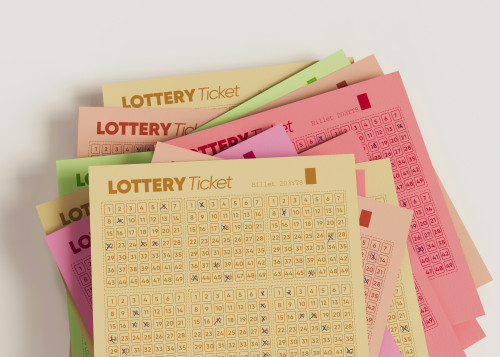
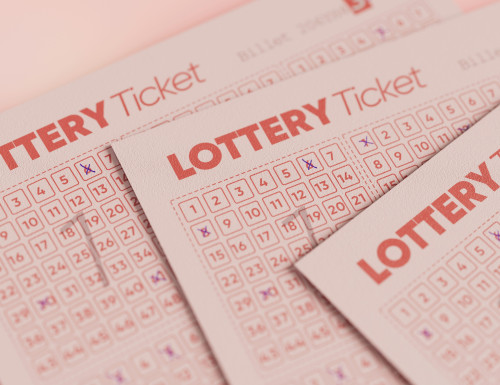
At its core, playing games is about chance. Whether it’s buying a lottery ticket, spinning a slot machine, or joining a friendly poker night, there’s always an element of luck we can’t control. But how do you keep the fun alive without getting caught up in the chase for a win? Developing a healthy approach to the randomness of games starts with understanding what luck really is—and how to relate to it in a balanced way.
The Nature of Luck – and Our Desire for Control
Humans have always been fascinated by luck. We look for patterns, signs, and strategies that make us feel like we can influence outcomes. But in games of chance, no system or superstition can change the odds.
Once we accept that luck can’t be controlled, it becomes easier to enjoy the game for what it is: a moment of excitement and entertainment. It’s not about winning every time—it’s about embracing the unpredictability and keeping perspective.
When Gaming Becomes Unhealthy
For most people, gaming and gambling are harmless pastimes. But for some, the thrill of luck and the hope of a big win can turn into an unhealthy habit. This often happens when gaming becomes a way to cope with stress, boredom, or financial worries.
Warning signs that gaming might be getting out of hand include:
- Playing to win back money you’ve lost.
- Spending more time or money than you planned.
- Hiding your gaming from family or friends.
- Feeling anxious, guilty, or restless after playing.
If any of these sound familiar, it’s important to take a step back and reach out for support—whether that’s talking to someone you trust or contacting a professional resource such as the National Problem Gambling Helpline (1-800-522-4700).
How to Keep a Healthy Balance
Responsible gaming isn’t about avoiding games altogether—it’s about setting boundaries that keep it fun and safe. Here are a few simple principles:
- Set a budget – Decide in advance how much you’re willing to spend, and stick to it.
- Play for entertainment – Treat any winnings as a bonus, not a goal.
- Take breaks – Don’t play when you’re tired, stressed, or upset.
- Watch the clock – Set a time limit so gaming doesn’t take over your day.
- Talk about it – Being open about your gaming habits helps you stay mindful and in control.
By making gaming a conscious choice rather than an impulsive one, you can enjoy the excitement without losing your balance.
Læs også:
Learning from Both Wins and Losses
Losing can be frustrating, but it’s also a chance to reflect. What made you want to play? How did you feel during the game? What can you learn from the experience?
Similarly, a win can be an opportunity to think about how you handle success. Many people find that big wins disappear quickly if they haven’t planned how to use them. Learning from both luck and misfortune helps you become more aware—and more resilient in the face of chance.
Gaming as Part of a Balanced Life
When gaming is a small, controlled part of your life, it can bring joy, social connection, and a bit of excitement. It can be a fun way to unwind or share time with others. But it requires knowing your limits—and respecting them.
Developing a healthy approach to gaming ultimately means taking responsibility—not for the outcome, but for your own behavior. You can’t control luck, but you can control how you respond to it.
Læs også: